
Part B · Steering and sailing rules · Rule 19
Conduct of Vessels in Restricted Visibility
19(a) This Rule applies to vessels not in sight of one another when navigating in or near an area of restricted visibility.
- “This Rule applies to vessels not in sight of one another”Rule 19 applies when you can’t see the other vessel by eye (Rule 3(k)); you may only know she is there from radar, AIS or her fog signal. There is no stand-on or give-way vessel under Rule 19. As soon as you can see each other, Rules 11 to 18 apply instead.
- “when navigating in or near an area of restricted visibility”Restricted visibility means visibility reduced by fog, mist, falling snow, heavy rainstorms, sandstorms or similar causes (Rule 3(l)). The Rule also applies near such an area, for example in clear weather close to a fog bank, where a vessel inside it can’t be seen.
Can’t see her, and you’re in or near restricted visibility? Rule 19 applies: no stand-on or give-way vessel, and every vessel takes her own avoiding action.
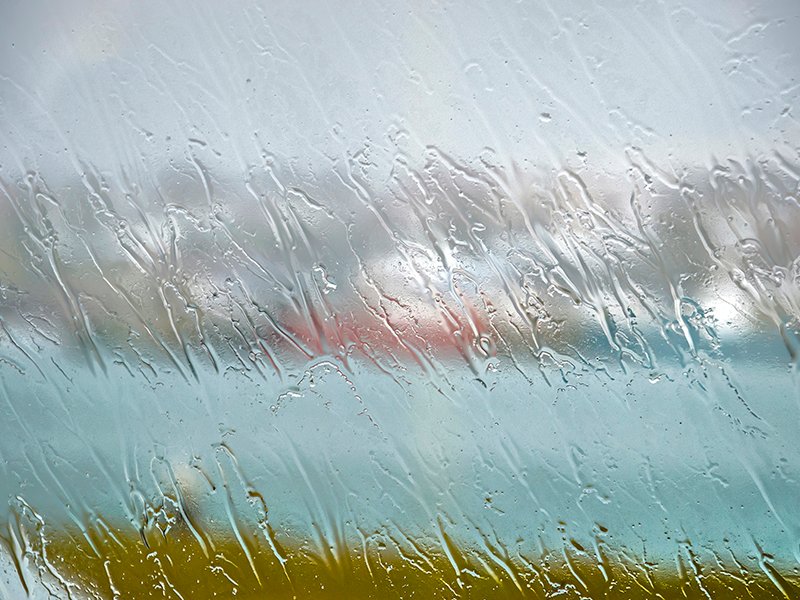
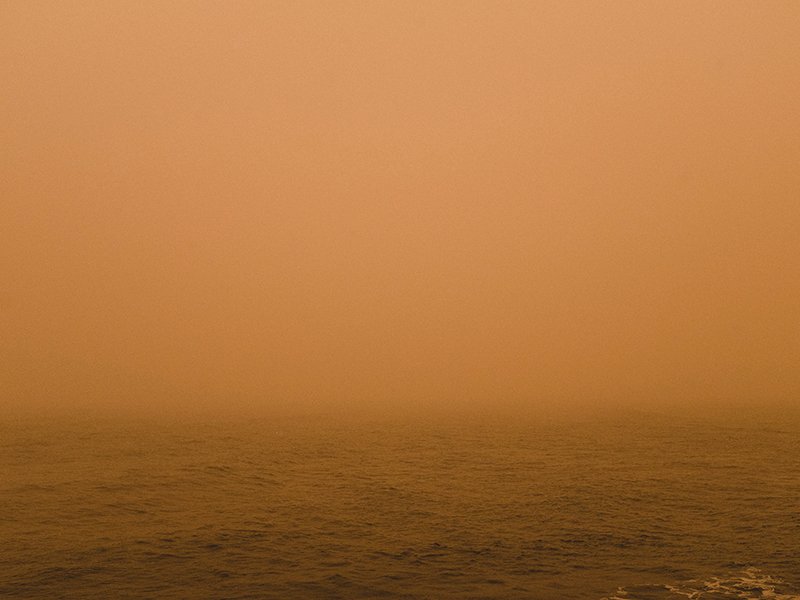

19(b) Every vessel shall proceed at a safe speed adapted to the prevailing circumstances and conditions of restricted visibility. A power-driven vessel shall have her engines ready for immediate manoeuvre.
- “Every vessel shall proceed at a safe speed adapted to the prevailing circumstances and conditions of restricted visibility”Use the Rule 6 factors to set your safe speed, with visibility the main one. In fog, safe speed will usually be much lower than in clear weather, so that you can take proper and effective action to avoid collision and stop within a distance appropriate to the conditions (Rule 6).
- “A power-driven vessel shall have her engines ready for immediate manoeuvre”Be ready to slow down, stop or go astern without delay.
In restricted visibility, slow down to a safe speed and have the engines ready to manoeuvre immediately.
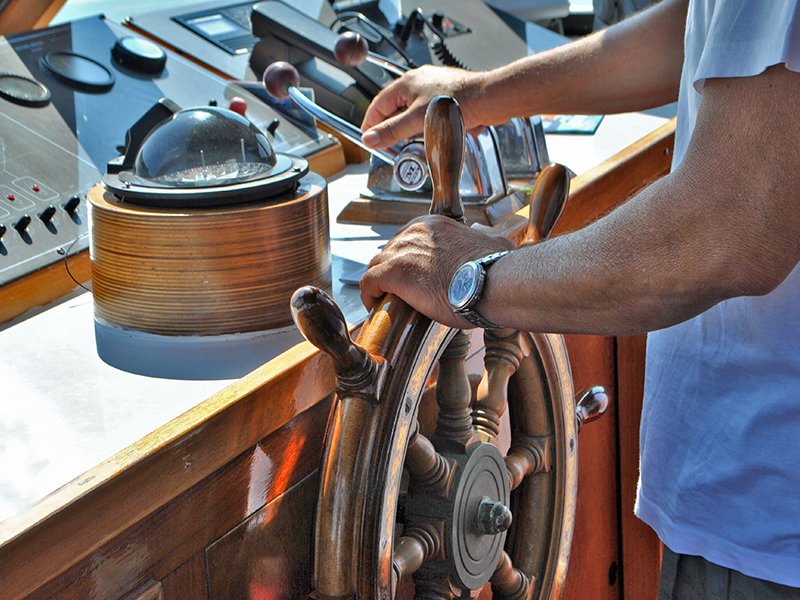
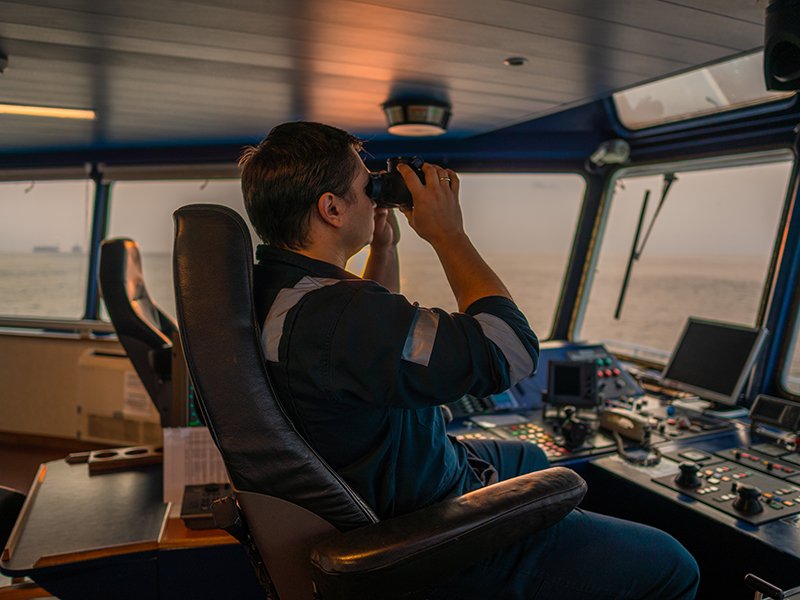
19(c) Every vessel shall have due regard to the prevailing circumstances and conditions of restricted visibility when complying with the Rules of Section I of this Part.
- “Every vessel shall have due regard to the prevailing circumstances and conditions of restricted visibility when complying with the Rules of Section I of this Part”Section I is Rules 4 to 10: look-out, safe speed, risk of collision, action to avoid collision, narrow channels and traffic separation schemes. Apply each with the restricted visibility in mind, for example a look-out by hearing as well as sight and radar (Rule 5), and caution about assuming anything from scanty radar information (Rule 7(c)).
Rules 4 to 10 still apply in fog, but apply them with extra care for the poor visibility.
19(d) A vessel which detects by radar alone the presence of another vessel shall determine if a close-quarters situation is developing and/or risk of collision exists. If so, she shall take avoiding action in ample time, provided that when such action consists of an alteration of course, so far as possible the following shall be avoided:
(i) an alteration of course to port for a vessel forward of the beam, other than for a vessel being overtaken;
(ii) an alteration of course towards a vessel abeam or abaft the beam.
- “A vessel which detects by radar alone the presence of another vessel shall determine if a close-quarters situation is developing and/or risk of collision exists”If you detect a vessel by radar but can’t see her, work out whether a close-quarters situation is developing or risk of collision exists, for example by radar plotting.
- “If so, she shall take avoiding action in ample time”If so, act early. Every vessel does this: there is no stand-on vessel under Rule 19.
- “provided that when such action consists of an alteration of course, so far as possible the following shall be avoided: (i) an alteration of course to port for a vessel forward of the beam, other than for a vessel being overtaken”For a vessel ahead of your beam, don’t alter to port, unless you are overtaking her. A vessel ahead of you may alter to starboard, and two turns towards each other could cause a collision.
- “(ii) an alteration of course towards a vessel abeam or abaft the beam”For a vessel on your beam or behind it, don’t turn towards her. In practice: for a vessel abaft your starboard beam, don’t alter to starboard; for one abaft your port beam, don’t alter to port.
Radar contact, can’t see her? Decide early whether there is risk of collision. If you alter course: don’t turn to port for a vessel forward of the beam (unless overtaking), and don’t turn towards a vessel abeam or abaft the beam.
19(e) Except where it has been determined that a risk of collision does not exist, every vessel which hears apparently forward of her beam the fog signal of another vessel, or which cannot avoid a close-quarters situation with another vessel forward of her beam, shall reduce her speed to the minimum at which she can be kept on her course. She shall if necessary take all her way off and in any event navigate with extreme caution until danger of collision is over.
- “Except where it has been determined that a risk of collision does not exist”This applies unless you have established, for example by radar plotting, that there is no risk of collision.
- “every vessel which hears apparently forward of her beam the fog signal of another vessel, or which cannot avoid a close-quarters situation with another vessel forward of her beam”Two triggers: you hear a fog signal that seems to come from forward of your beam, such as a prolonged blast from a power-driven vessel making way (Rule 35(a)); or you can’t avoid a close-quarters situation with a vessel forward of the beam.
- “shall reduce her speed to the minimum at which she can be kept on her course”Slow right down, to the lowest speed at which you can still steer.
- “She shall if necessary take all her way off and in any event navigate with extreme caution until danger of collision is over”If needed, stop completely. Either way, proceed with extreme caution until the danger has passed.
Fog signal heard ahead of the beam? Slow to steerage way, stop if necessary, and proceed with extreme caution until the danger is over.