
Part C · Lights and shapes · Rule 26
Fishing Vessels
26(a) A vessel engaged in fishing, whether underway or at anchor, shall exhibit only the lights and shapes prescribed in this Rule.
- “A vessel engaged in fishing”Rule 3(d): a vessel fishing with nets, lines, trawls or other fishing apparatus which restrict manoeuvrability. A vessel trolling lines that don’t restrict her manoeuvrability is not engaged in fishing, and shows the normal lights for her type.
- “whether underway or at anchor, shall exhibit only the lights and shapes prescribed in this Rule”A fishing vessel shows her fishing lights and shapes whether she is underway or at anchor. At anchor she shows them instead of the anchor light or ball (Rule 30), not as well as them.
Engaged in fishing, underway or at anchor: fishing lights and shapes only, no anchor light or ball.
26(b) A vessel when engaged in trawling, by which is meant the dragging through the water of a dredge net or other apparatus used as a fishing appliance, shall exhibit:
- “A vessel when engaged in trawling, by which is meant the dragging through the water of a dredge net or other apparatus used as a fishing appliance, shall exhibit”Trawling means towing fishing gear through the water or along the seabed: a trawl net, or a dredge such as a scallop dredge. A trawler shows the signals in (i) to (iii).
Trawling is towing a net or dredge. The lights and shapes follow in (i) to (iii).
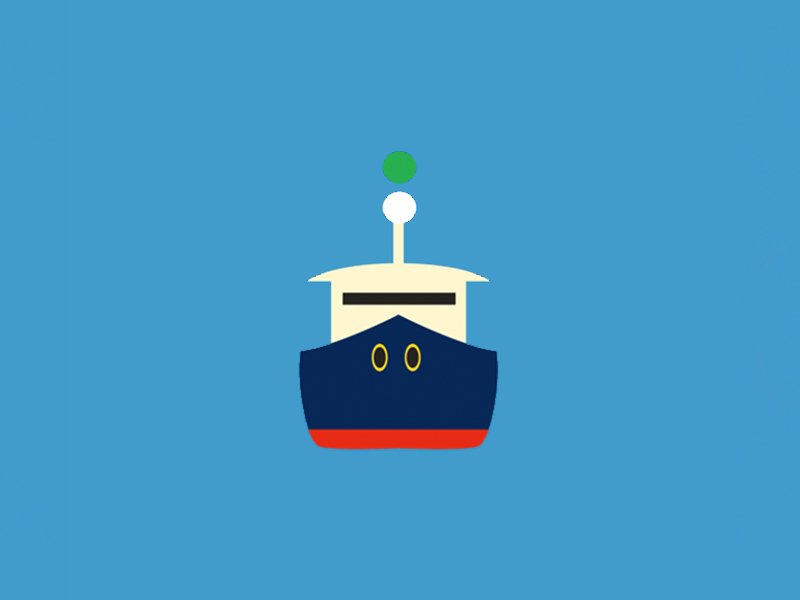
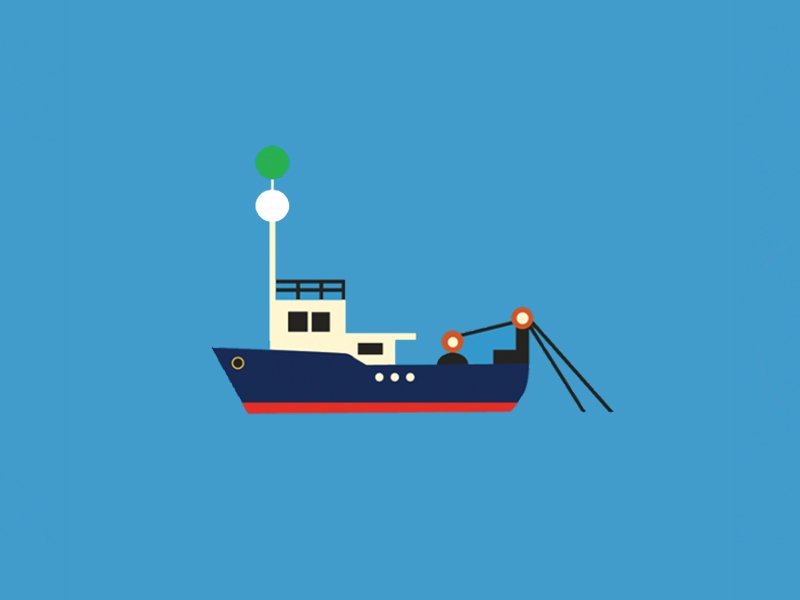
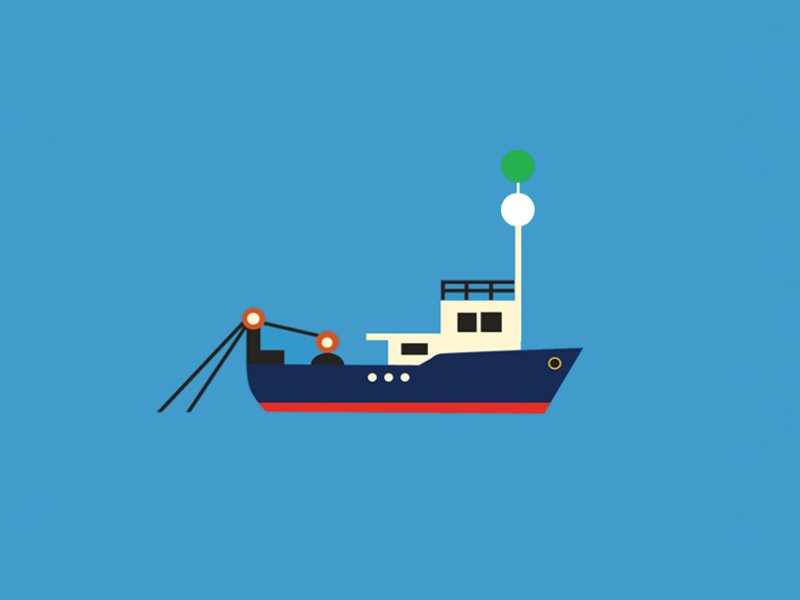
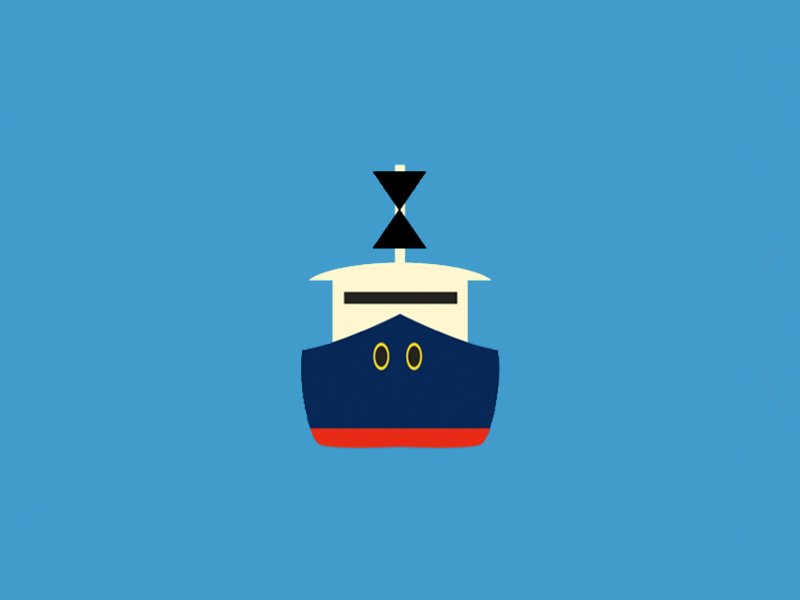
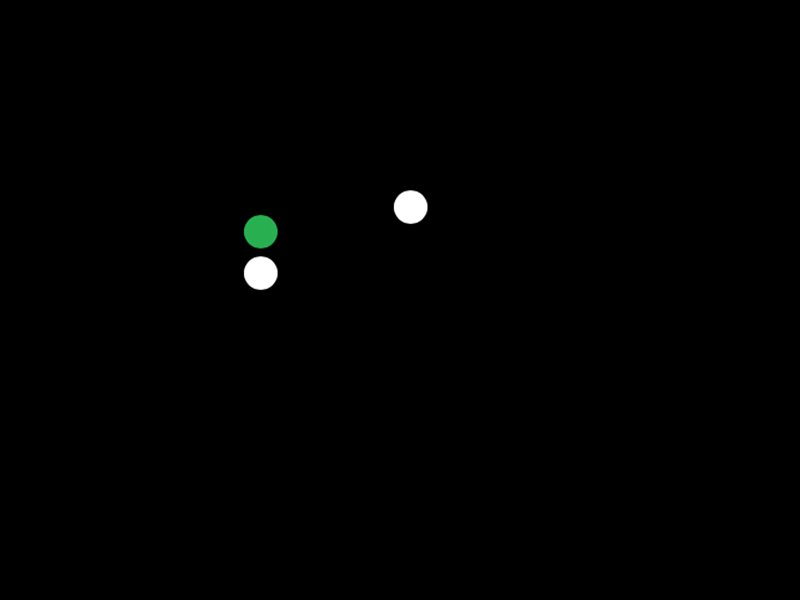
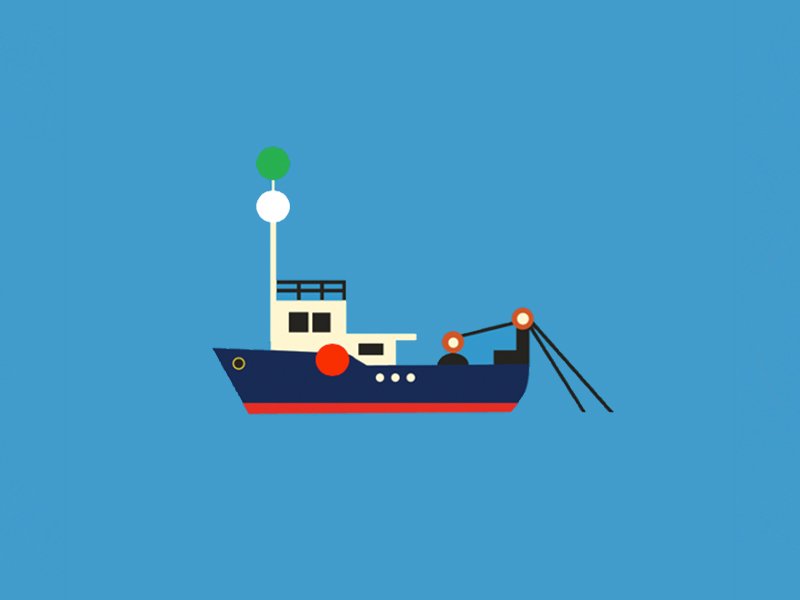
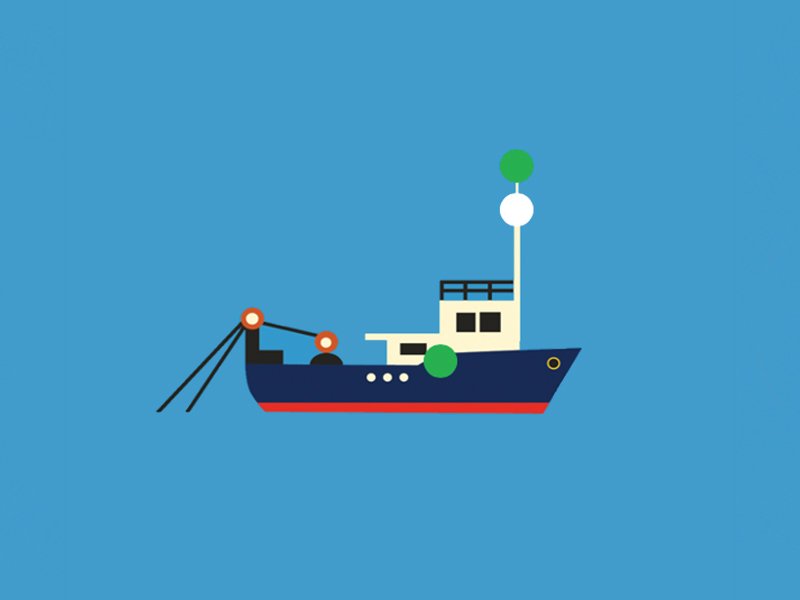
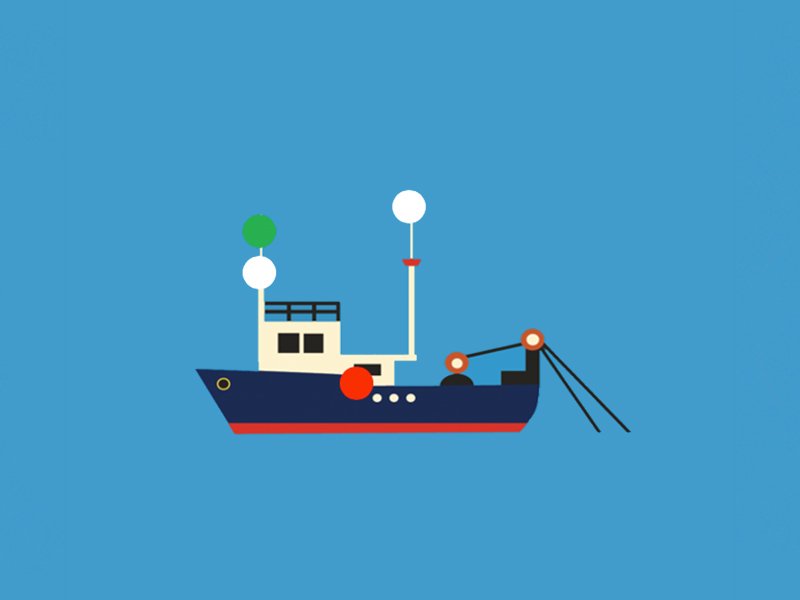
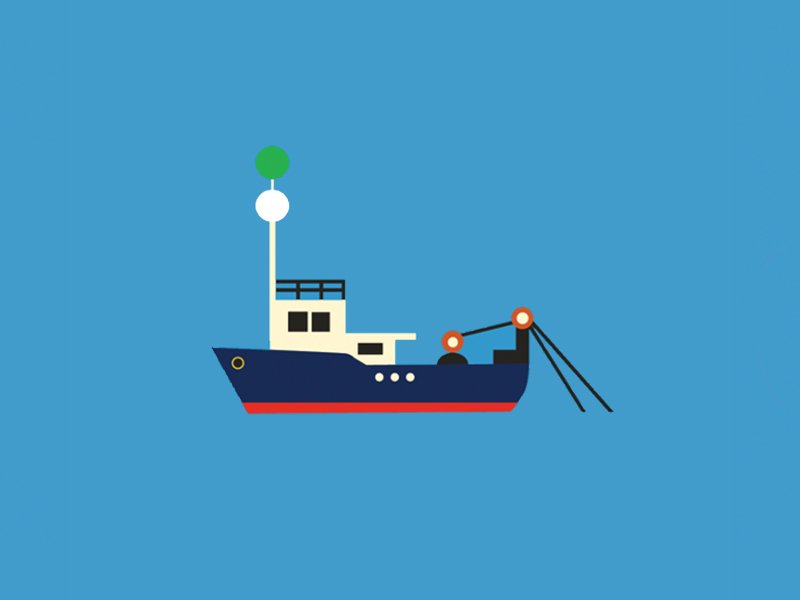
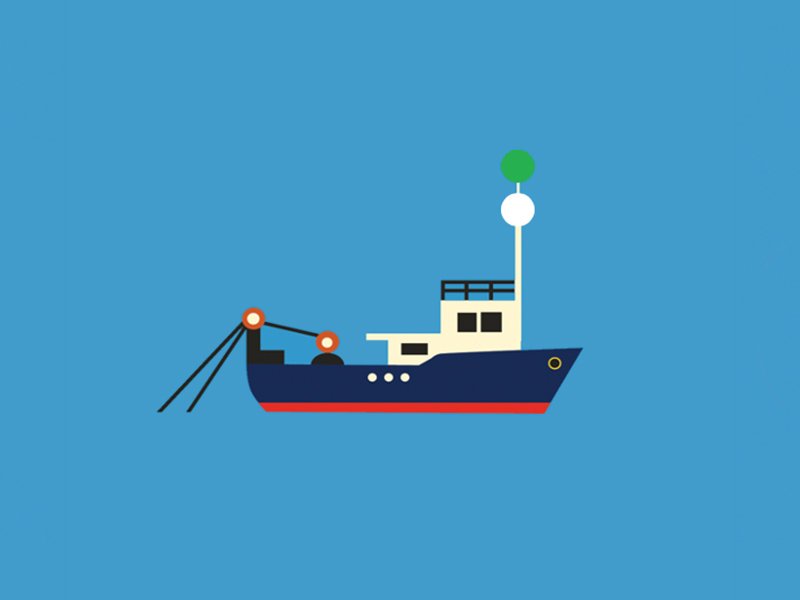
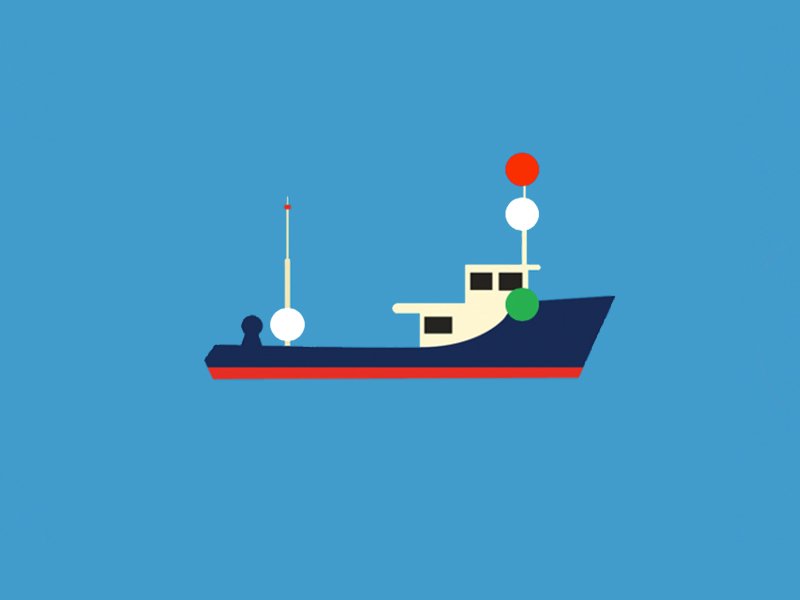
26(b)(i) two all-round lights in a vertical line, the upper being green and the lower white, or a shape consisting of two cones with their apexes together in a vertical line one above the other;
- “two all-round lights in a vertical line, the upper being green and the lower white”At night, green over white all-round lights. Green over white means trawling.
- “or a shape consisting of two cones with their apexes together in a vertical line one above the other”By day, two cones points together, one above the other. Every vessel engaged in fishing shows this same shape, trawling or not.
Trawling: green over white by night, two cones points together by day.
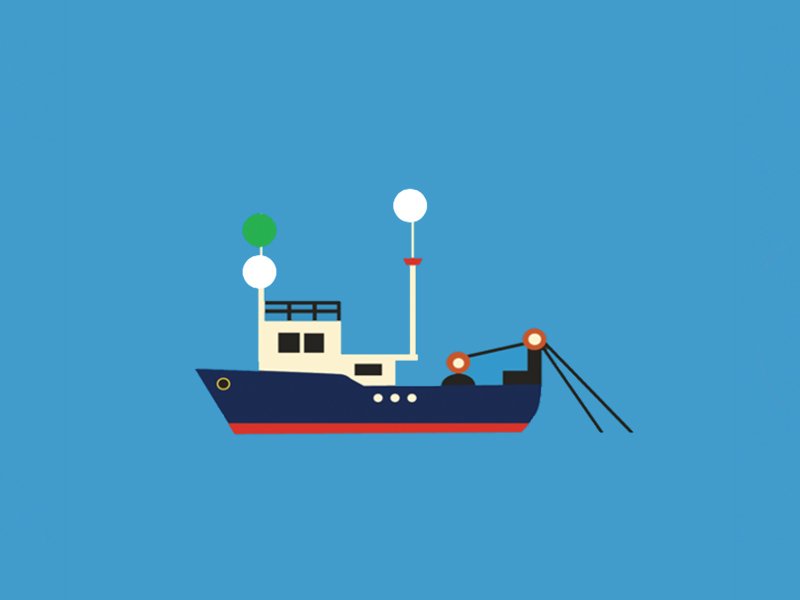
Vessel engaged in trawling, less than 50m – Underway, not making way





Vessel engaged in fishing or trawling – Day shapes
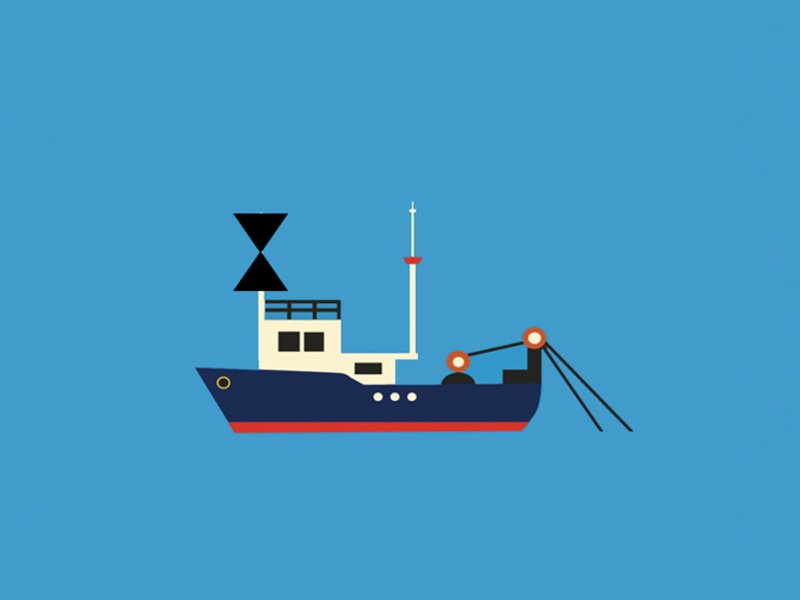
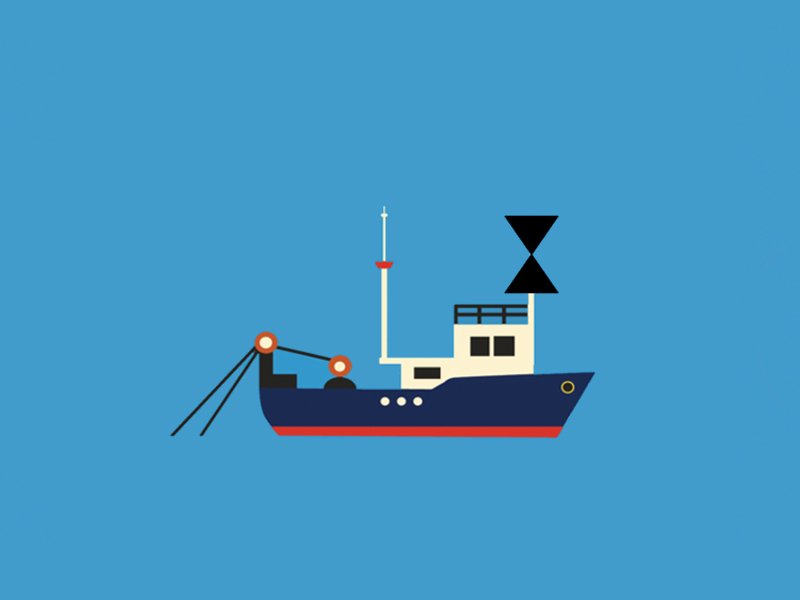
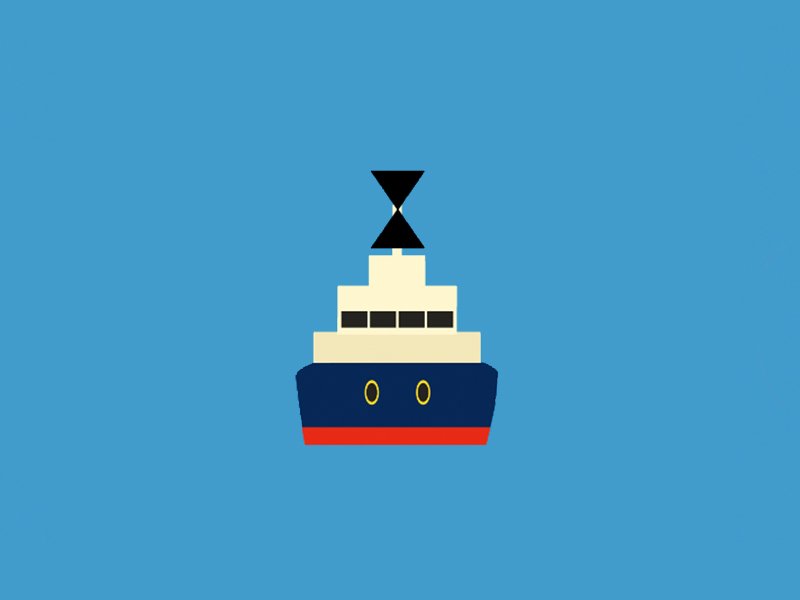
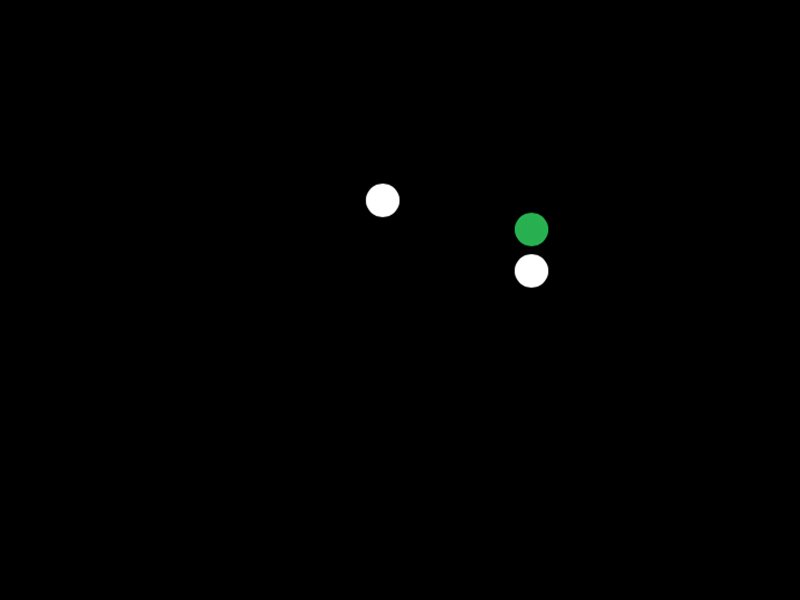
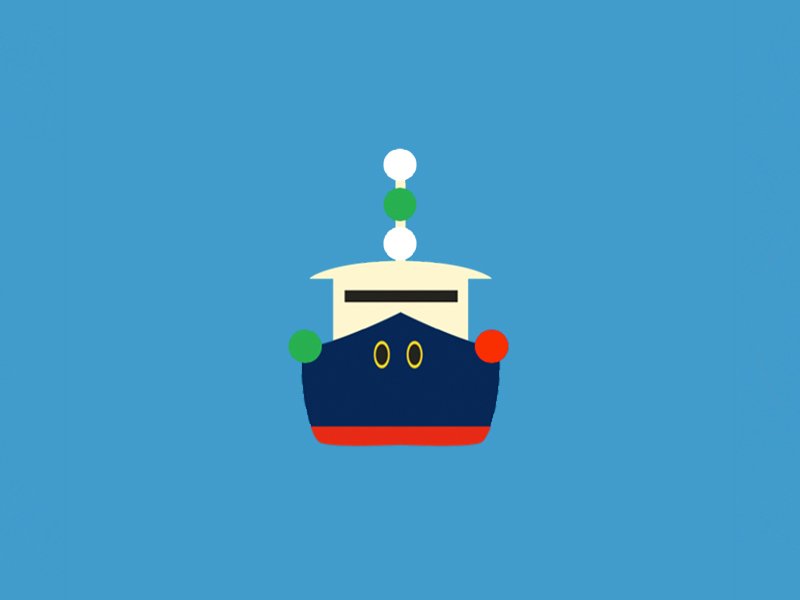
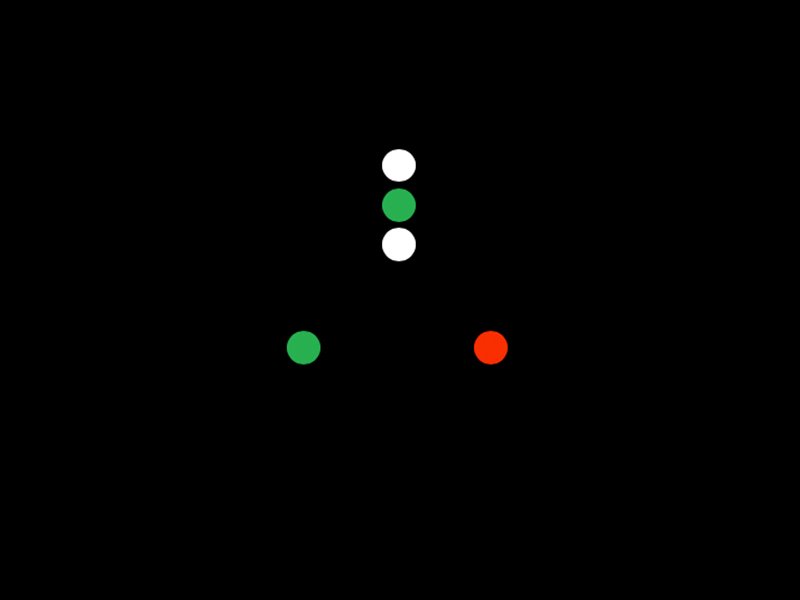
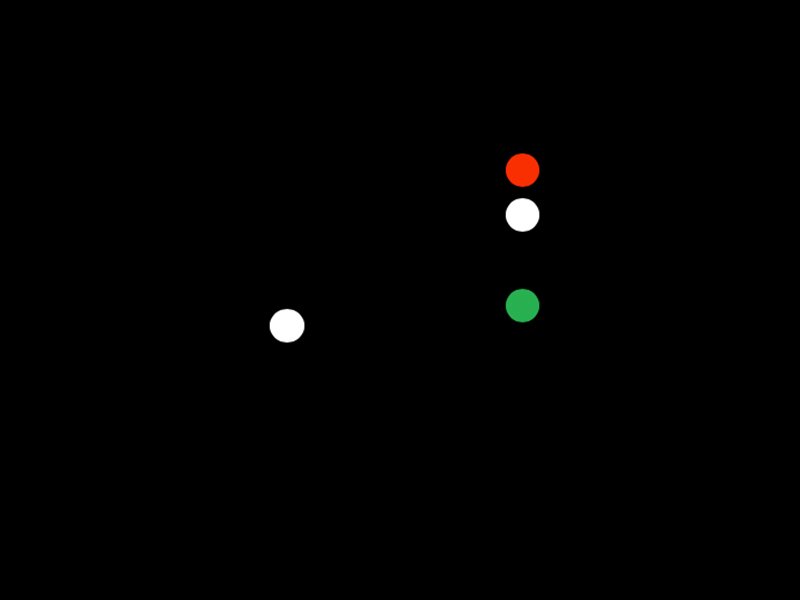
26(b)(ii) a masthead light abaft of and higher than the all-round green light; a vessel of less than 50 metres in length shall not be obliged to exhibit such a light but may do so;
- “a masthead light abaft of and higher than the all-round green light”A white masthead light further aft and higher than the green all-round light.
- “a vessel of less than 50 metres in length shall not be obliged to exhibit such a light but may do so”Under 50 metres it is optional. So a trawler showing the masthead light is probably 50 metres or more; one without it is under 50 metres.
Masthead light aft of and above the green: required at 50 m or more, optional under 50 m.
Vessel engaged in trawling, probably over 50m – Underway, not making way
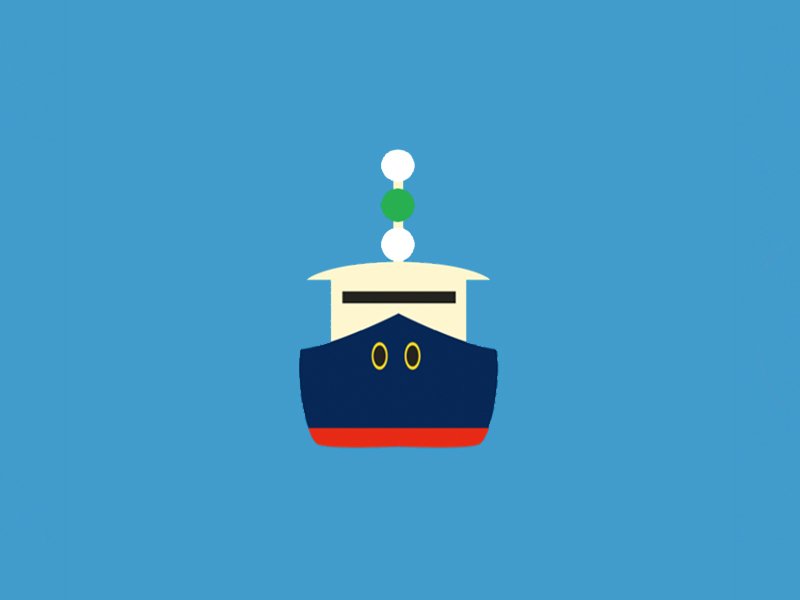


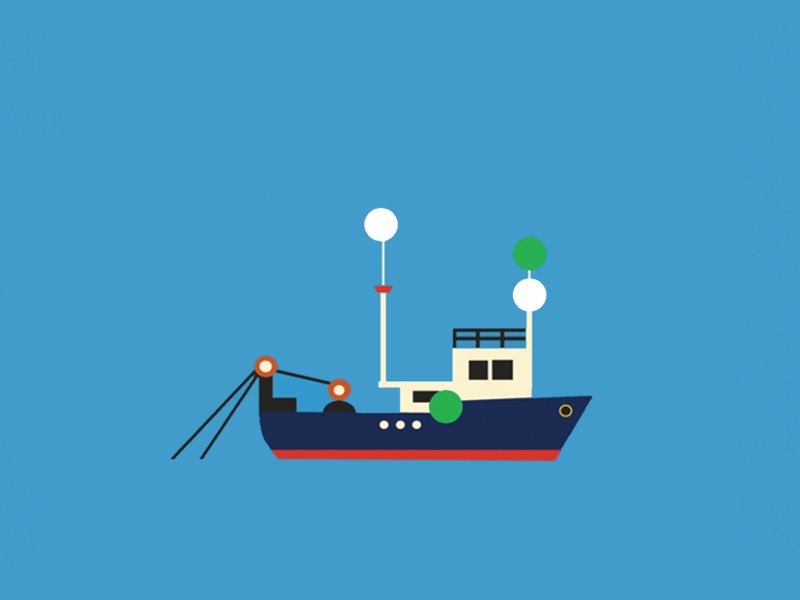
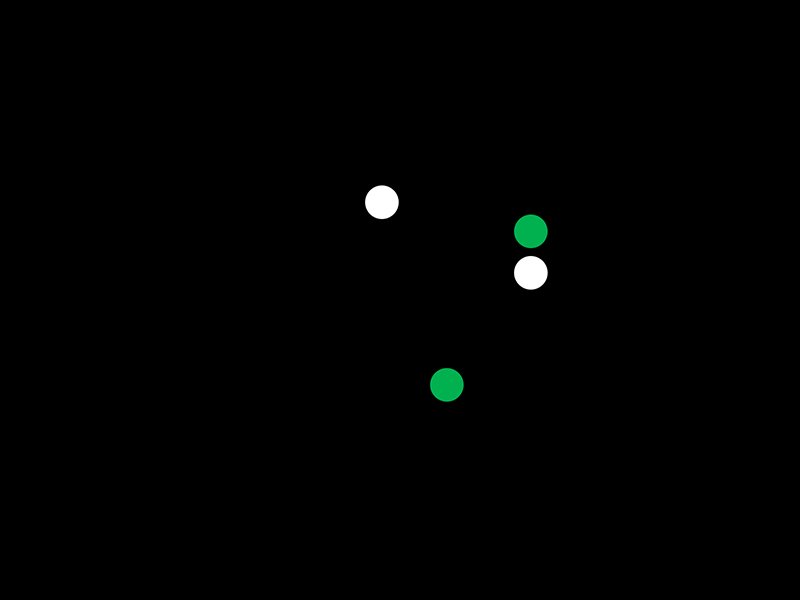
26(b)(iii) when making way through the water, in addition to the lights prescribed in this paragraph, sidelights and a stern light.
- “when making way through the water”Only when she is moving through the water. A trawler is normally making way when towing her gear, but she may be stopped, for example while hauling.
- “in addition to the lights prescribed in this paragraph, sidelights and a stern light”Sidelights and a sternlight are added to her fishing lights. With no sidelights or sternlight showing, she is not making way.
Making way: add sidelights and sternlight. Not making way: fishing lights only.
Vessel engaged in trawling, less than 50m – Underway, making way

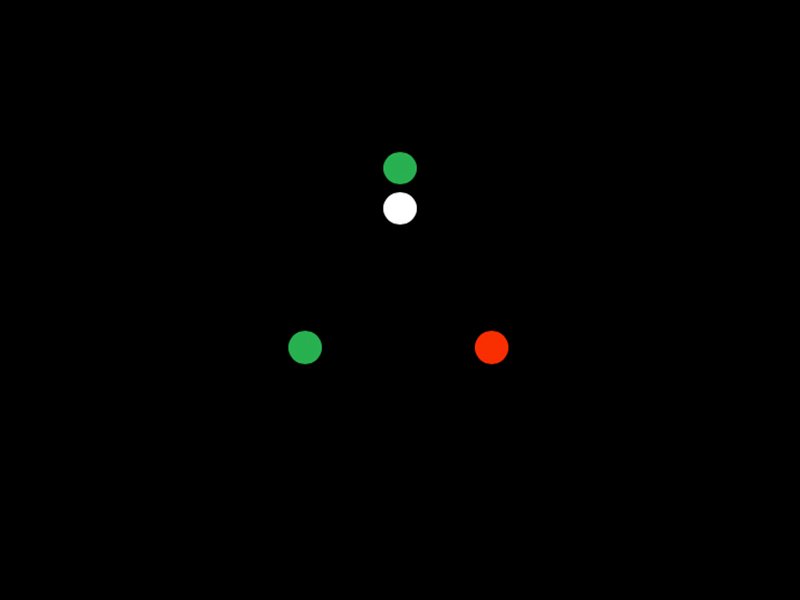




Vessel engaged in trawling, probably over 50m – Underway, making way

26(c) A vessel engaged in fishing, other than trawling, shall exhibit:
- “A vessel engaged in fishing, other than trawling, shall exhibit”Any other method of fishing, for example drift nets, lines, purse seines or pots, when the gear restricts her manoeuvrability. She shows the signals in (i) to (iii).
Fishing other than trawling: the lights and shapes follow in (i) to (iii).
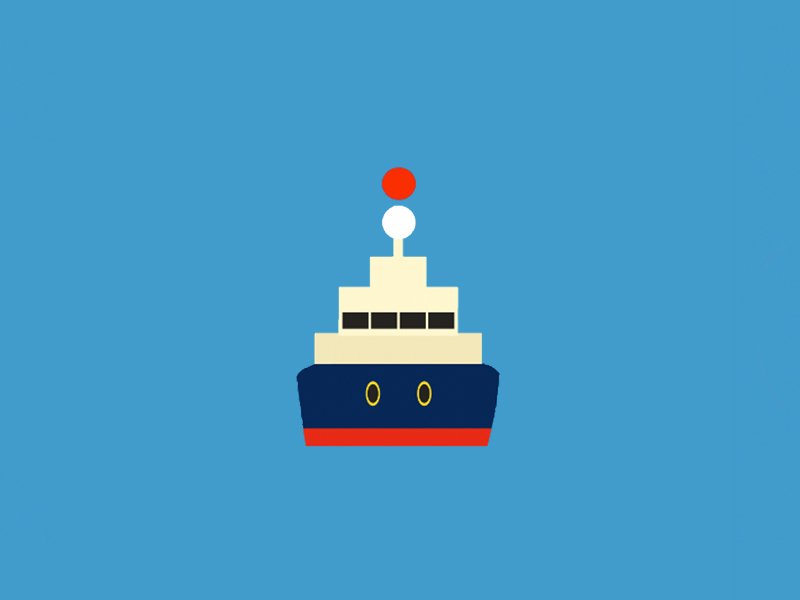
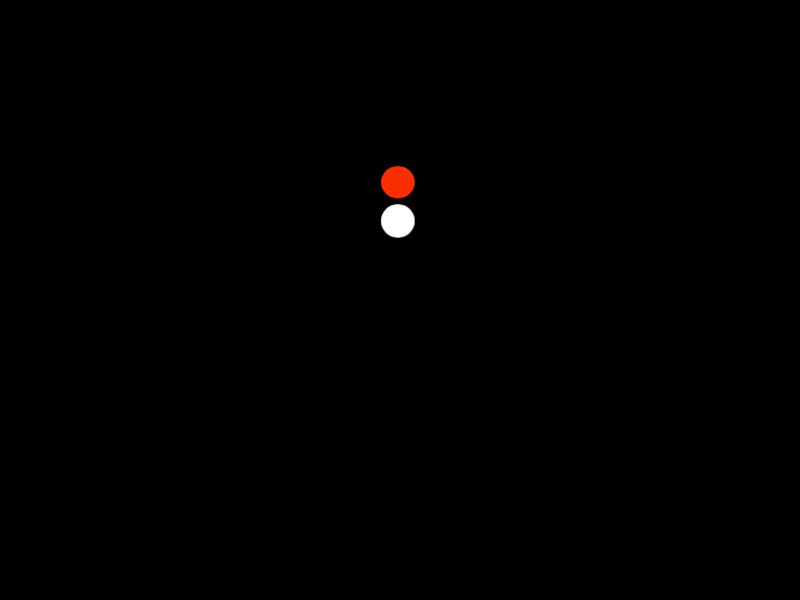
26(c)(i) two all-round lights in a vertical line, the upper being red and the lower white, or a shape consisting of two cones with apexes together in a vertical line one above the other;
- “two all-round lights in a vertical line, the upper being red and the lower white”At night, red over white all-round lights. There is no masthead light, whatever her length.
- “or a shape consisting of two cones with apexes together in a vertical line one above the other”By day, two cones points together: the same shape as a trawler.
Fishing other than trawling: red over white by night, two cones points together by day.
Vessel engaged in fishing, other than trawling – Underway, not making way
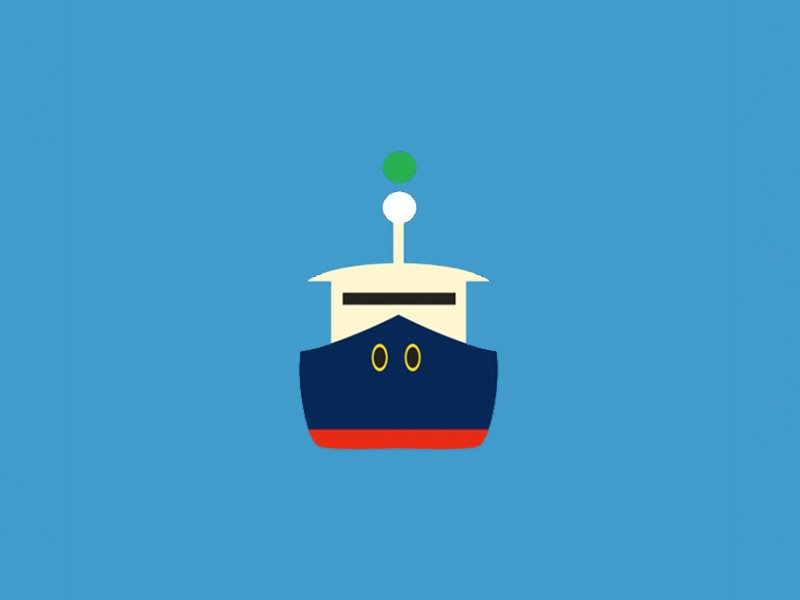



Vessel engaged in fishing or trawling – Day shapes
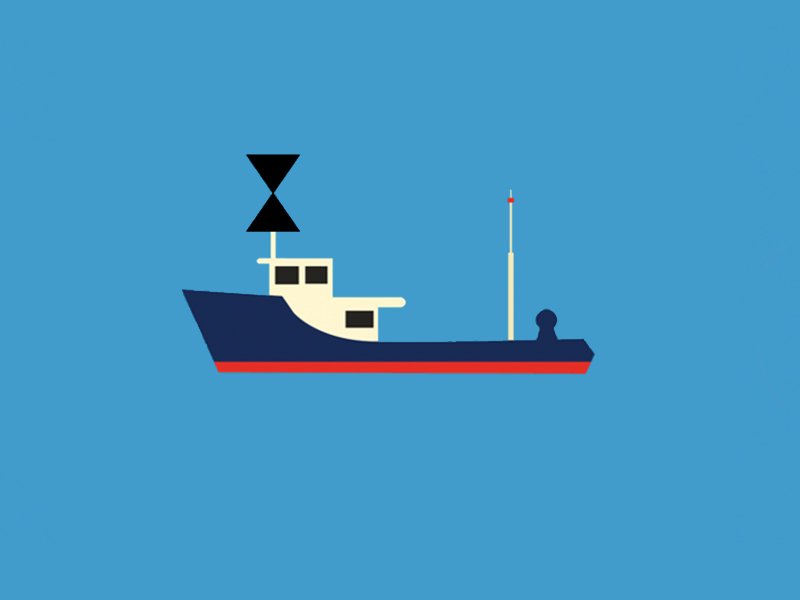
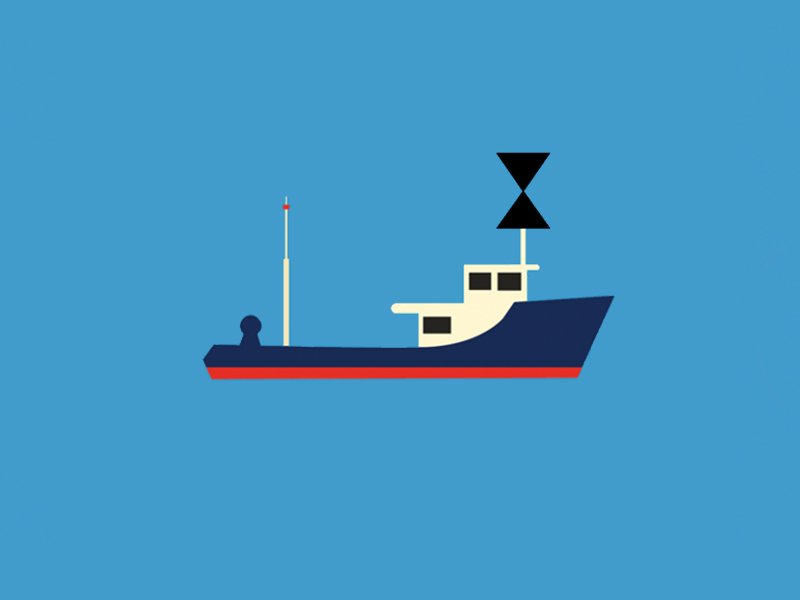
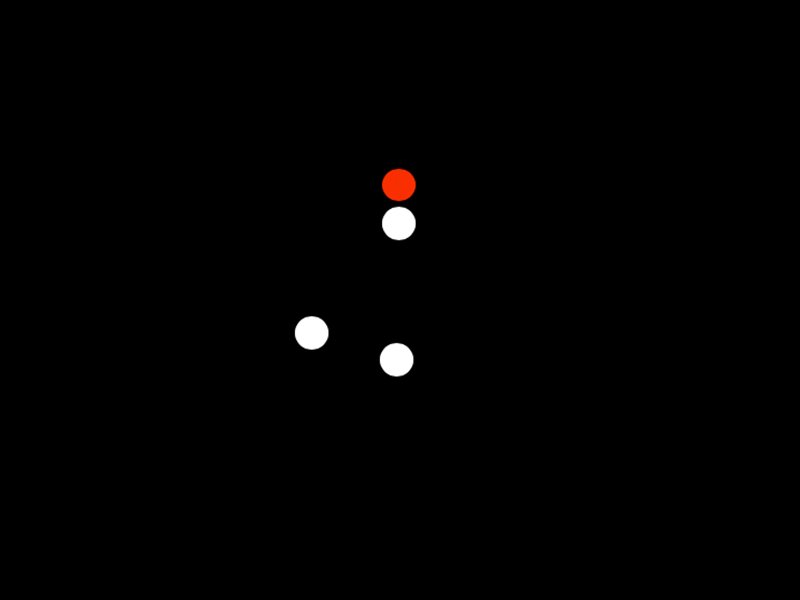
26(c)(ii) when there is outlying gear extending more than 150 metres horizontally from the vessel, an all- round white light or a cone apex upwards in the direction of the gear;
- “when there is outlying gear extending more than 150 metres horizontally from the vessel”When her nets or lines stretch out more than 150 metres from her.
- “an all-round white light or a cone apex upwards in the direction of the gear”At night an all-round white light, by day a cone point up, shown on the side the gear extends towards. Keep clear of that side.
Gear out over 150 m: white light or cone point up on the gear side. Pass on the other side.
Vessel engaged in fishing, other than trawling, with outlying gear extending more than 150m – Underway, not making way
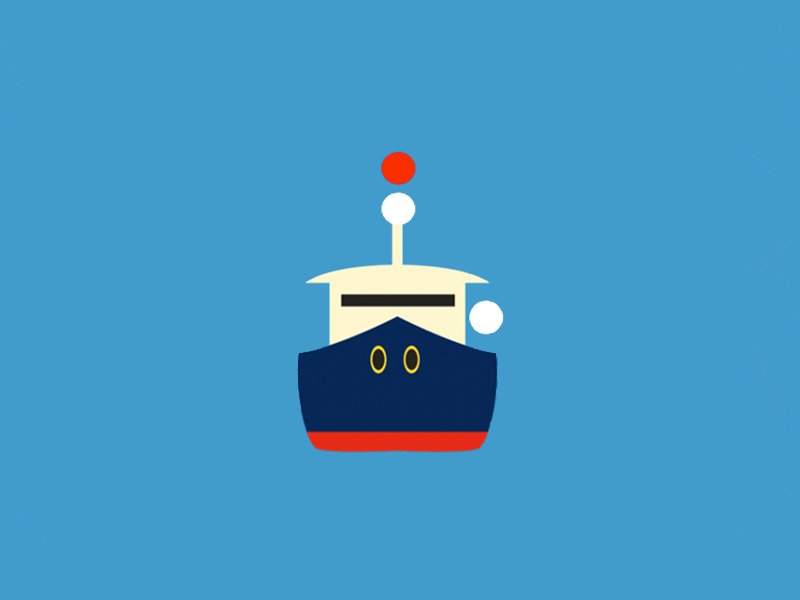
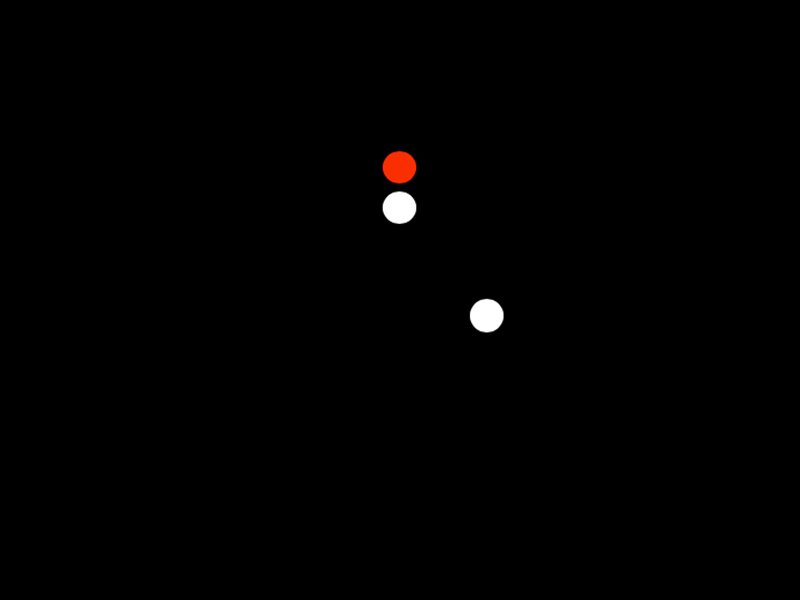
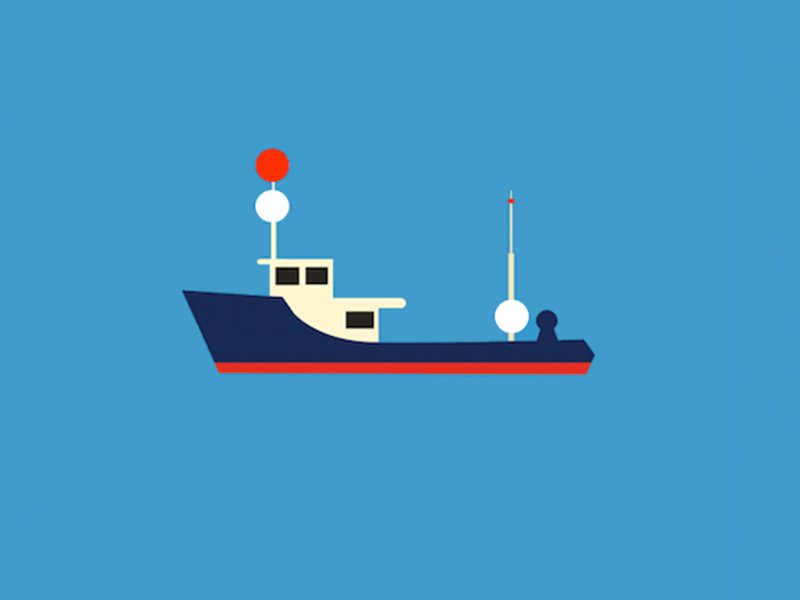

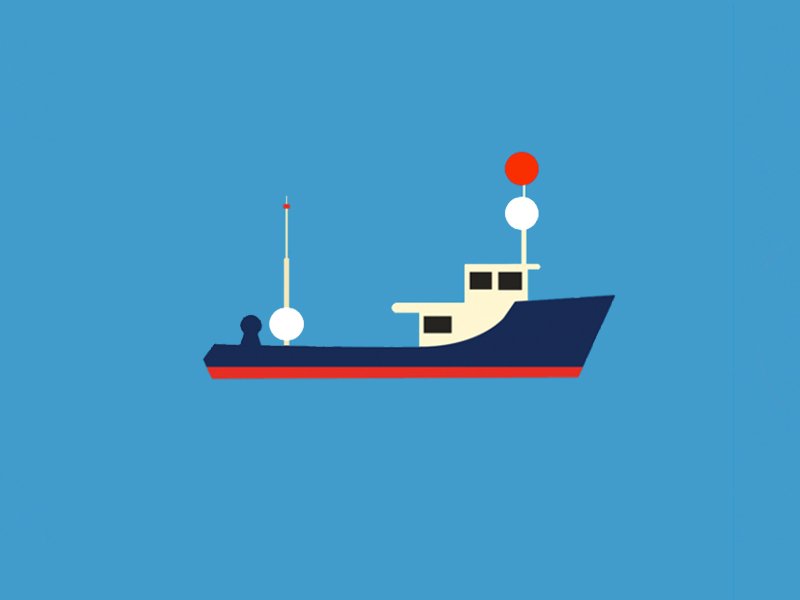
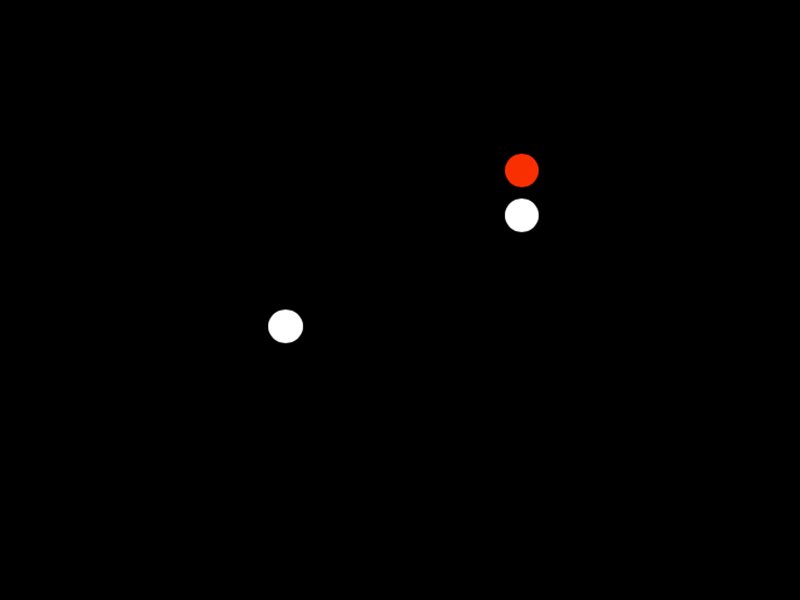
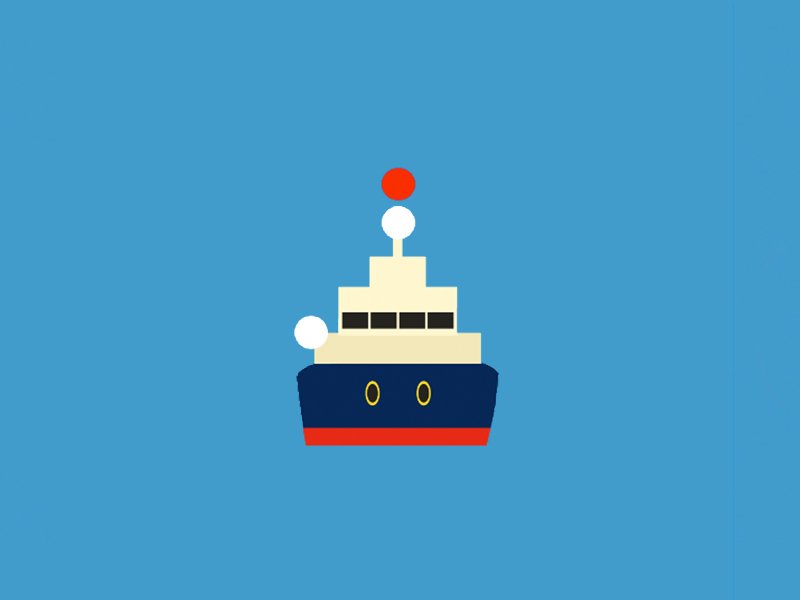
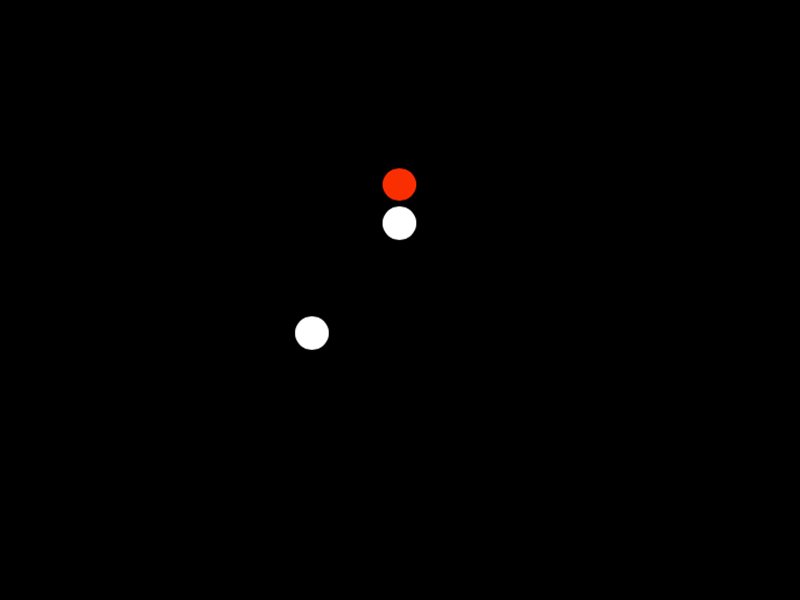
Vessel engaged in fishing, other than trawling, with outlying gear extending more than 150m – Day shapes
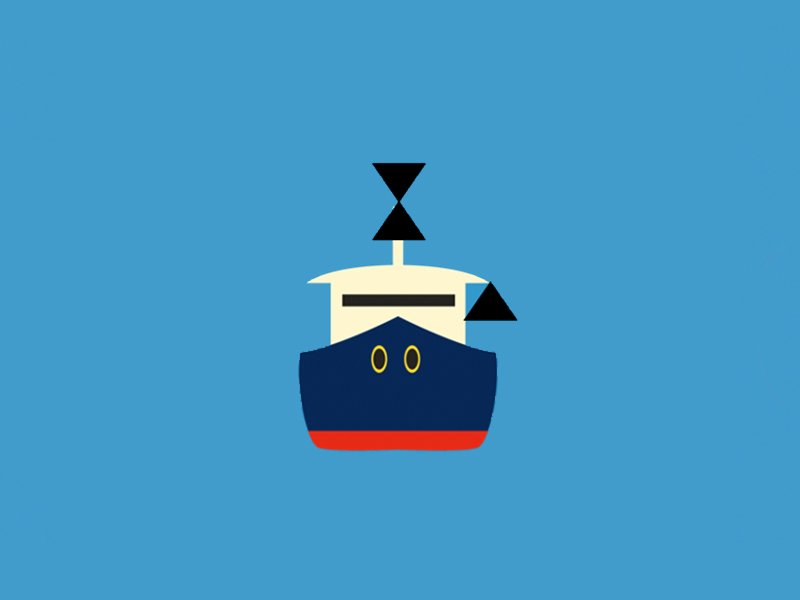

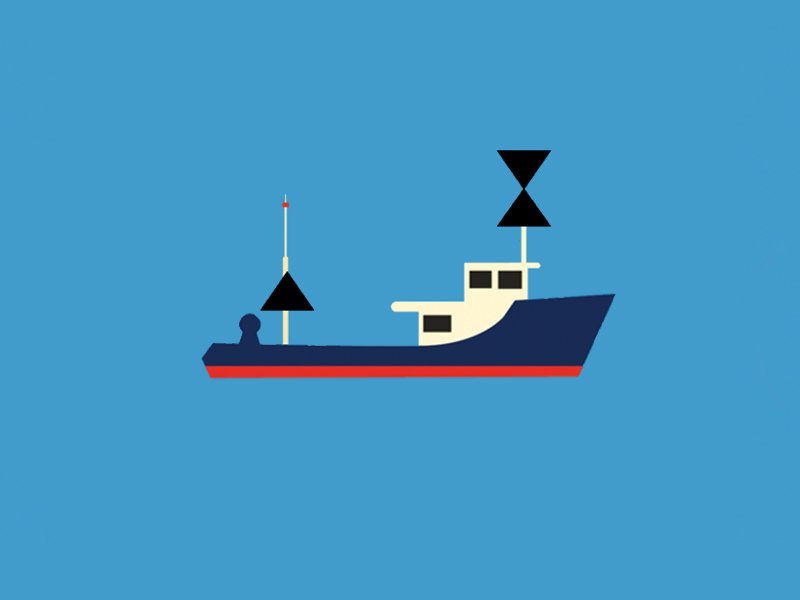
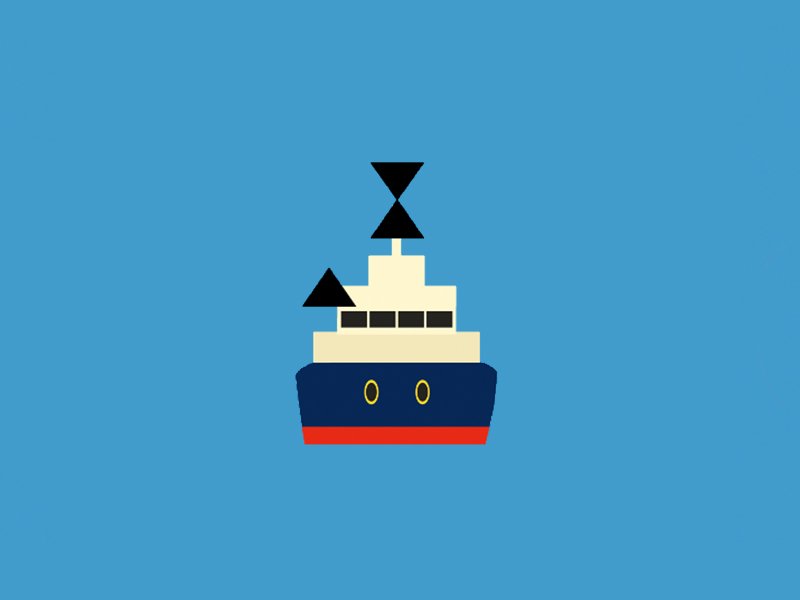
26(c)(iii) when making way through the water, in addition to the lights prescribed in this paragraph, sidelights and a sternlight.
- “when making way through the water”Only when she is moving through the water.
- “in addition to the lights prescribed in this paragraph, sidelights and a sternlight”Sidelights and a sternlight are added to her fishing lights. With no sidelights or sternlight showing, she is not making way.
Making way: add sidelights and sternlight. Not making way: fishing lights only.
Vessel engaged in fishing, other than trawling – Underway, making way
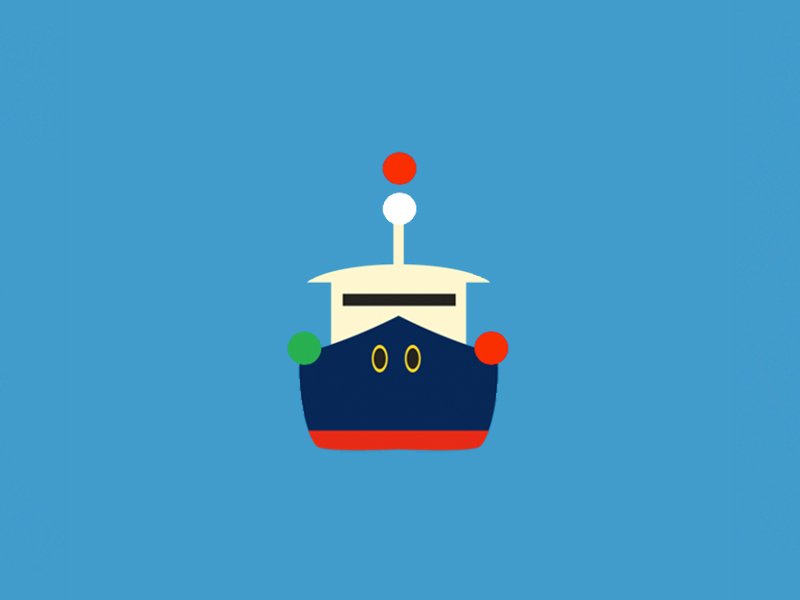
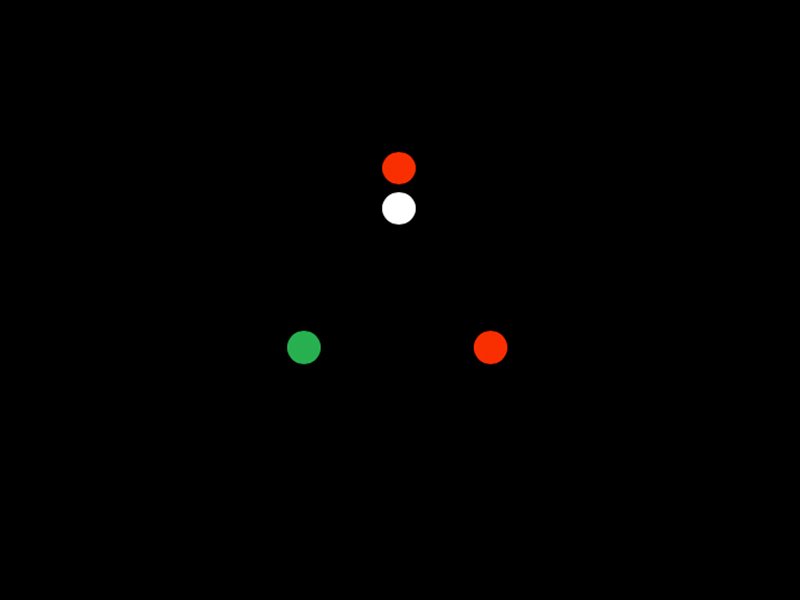

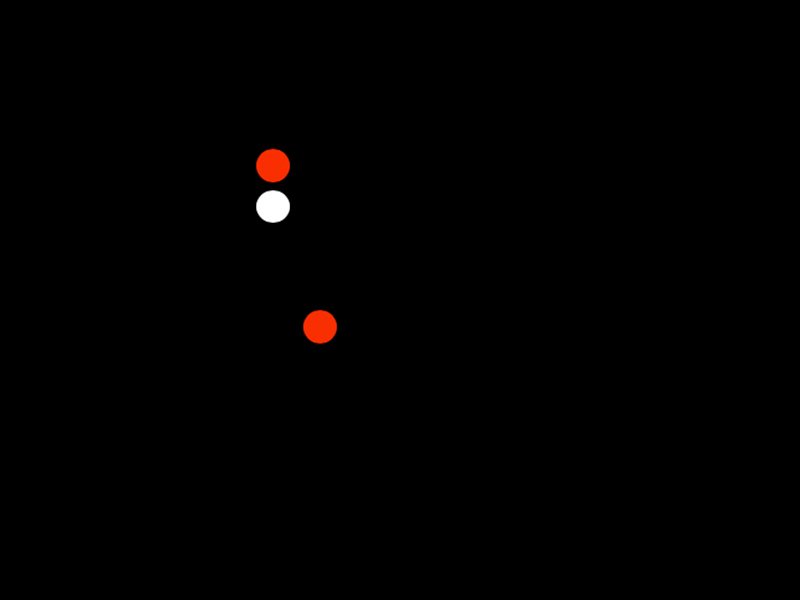
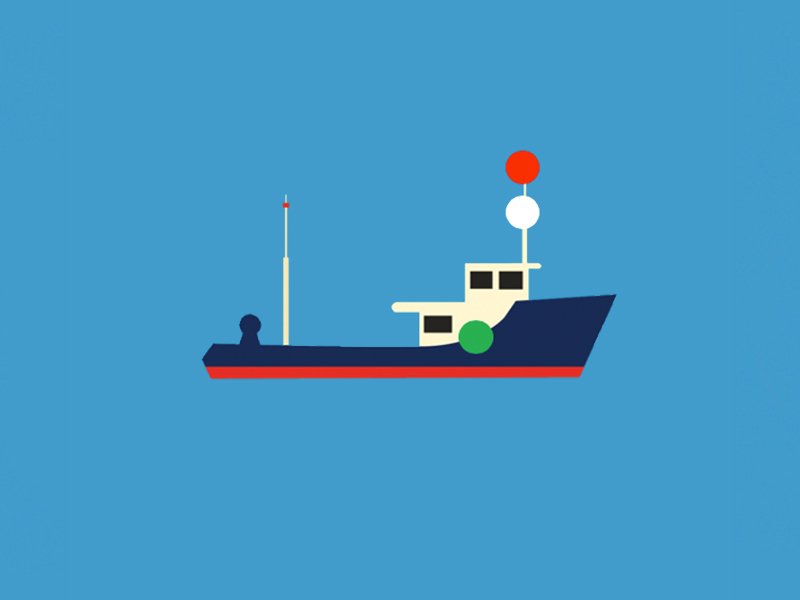


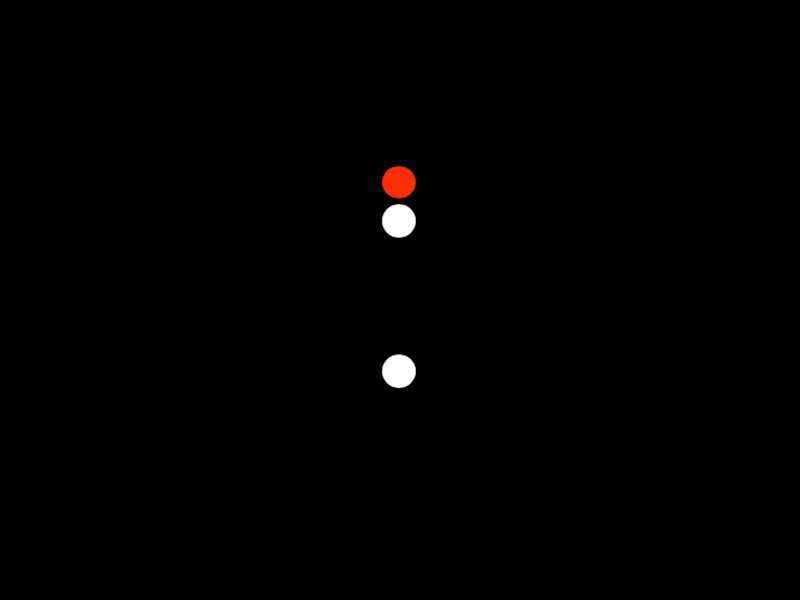
- Vessel engaged in fishing, other than trawling with outlying gear extending more than 150m, underway, not making way.
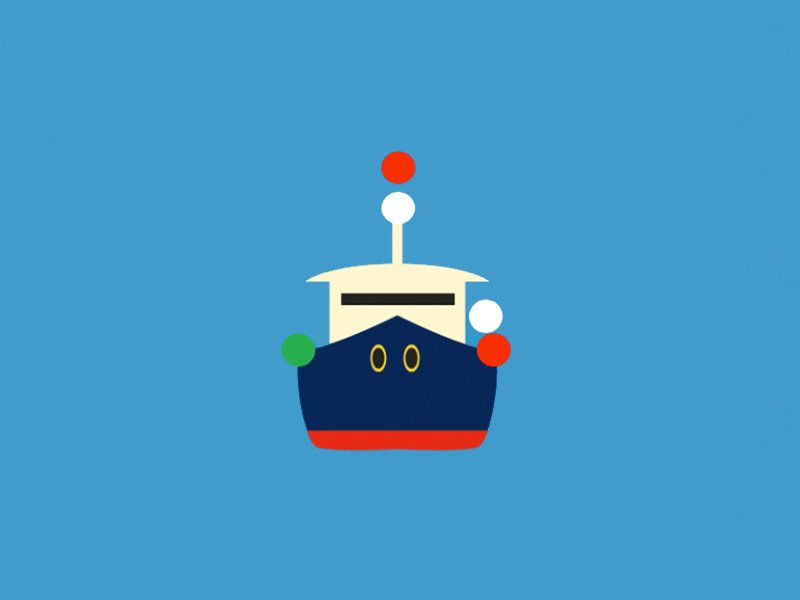
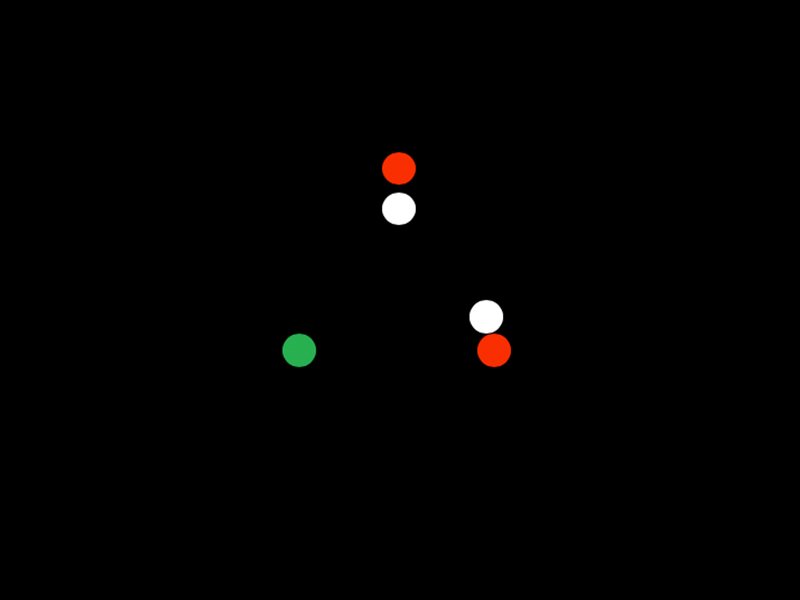
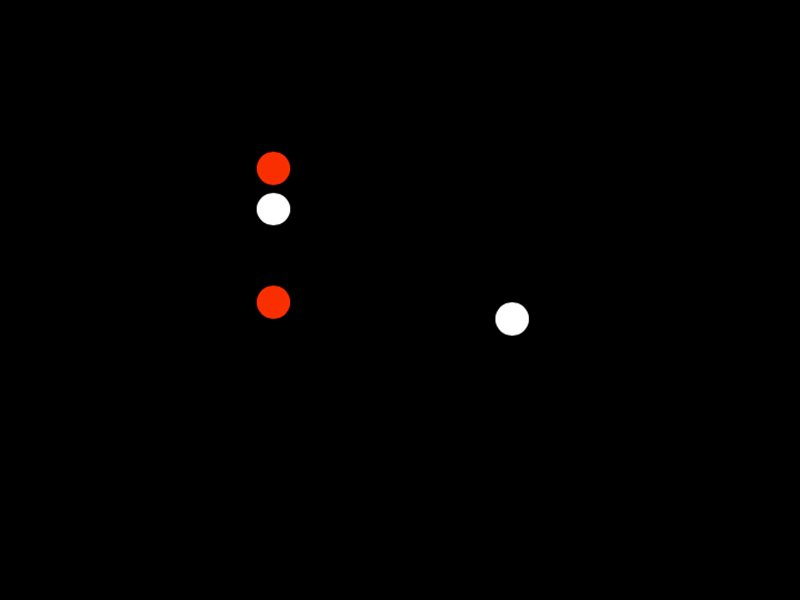
Vessel engaged in fishing, other than trawling, with outlying gear extending more than 150m – Underway, making way


26(d) The additional signals described in Annex II to these Regulations apply to a vessel engaged in fishing in close proximity to other vessels engaged in fishing.
- “The additional signals described in Annex II to these Regulations apply”Annex II adds lights, lower than the main fishing lights and visible all round at 1 mile at least. Trawlers: two white when shooting nets, white over red when hauling, two red when the net is caught fast on an obstruction; pair trawlers also shine a searchlight forward towards each other. Purse seiners may show two yellow lights flashing alternately.
- “to a vessel engaged in fishing in close proximity to other vessels engaged in fishing”They are for fishing vessels working close together. Trawlers of 20 metres or more must show them; under 20 metres they are optional (Annex II section 2(c)).
Fishing close to other fishing vessels: extra Annex II lights show what each is doing with her gear.
26(e) A vessel when not engaged in fishing shall not exhibit the lights or shapes prescribed in this Rule, but only those prescribed for a vessel of her length.
- “A vessel when not engaged in fishing shall not exhibit the lights or shapes prescribed in this Rule”A fishing vessel on passage to or from the fishing grounds, or one whose gear doesn’t restrict her manoeuvrability, must not show fishing lights or shapes.
- “but only those prescribed for a vessel of her length”She shows the normal lights for her type and length, for example as a power-driven vessel (Rule 23). She then has no special status under Rule 18.
Not fishing: no fishing signals. Show normal lights for her type and length.