
Part A · General · Rule 3
General Definitions
3 For the purpose of these Rules, except where the context otherwise requires:
- “For the purpose of these Rules”These definitions apply throughout the COLREGs. When a later Rule uses one of these terms, it means exactly what is defined here.
- “except where the context otherwise requires”Occasionally a Rule uses a word in a narrower sense, and the wording of that Rule makes this clear.
Many later Rules, especially Rule 18 on who keeps out of whose way, depend on identifying each vessel correctly using these definitions.
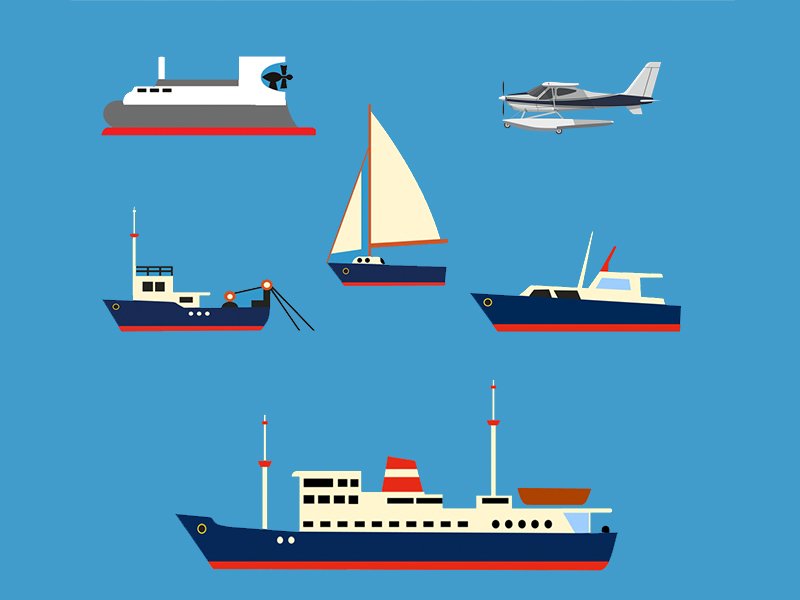
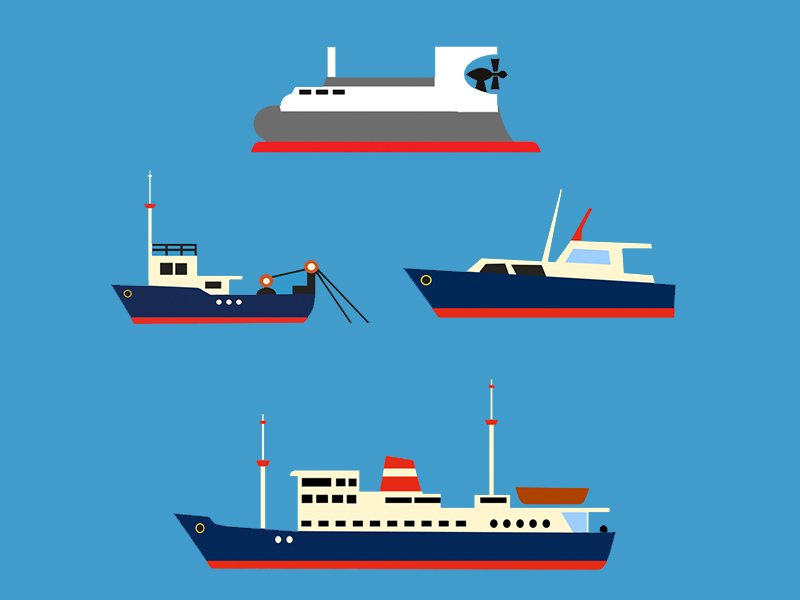
3(a) The word “vessel” includes every description of water craft, including non-displacement craft, WIG craft and seaplanes, used or capable of being used as a means of transportation on water.
- “The word ‘vessel’ includes every description of water craft”Almost any craft that moves people or goods on the water counts, from ships and yachts to small boats.
- “including non-displacement craft, WIG craft and seaplanes”Craft that ride on or above the surface count too: hovercraft and hydrofoils (non-displacement craft), wing-in-ground craft (3(m)) and seaplanes (3(e)).
- “used or capable of being used as a means of transportation on water”What matters is that the craft can carry people or goods on the water, not whether it is doing so right now.
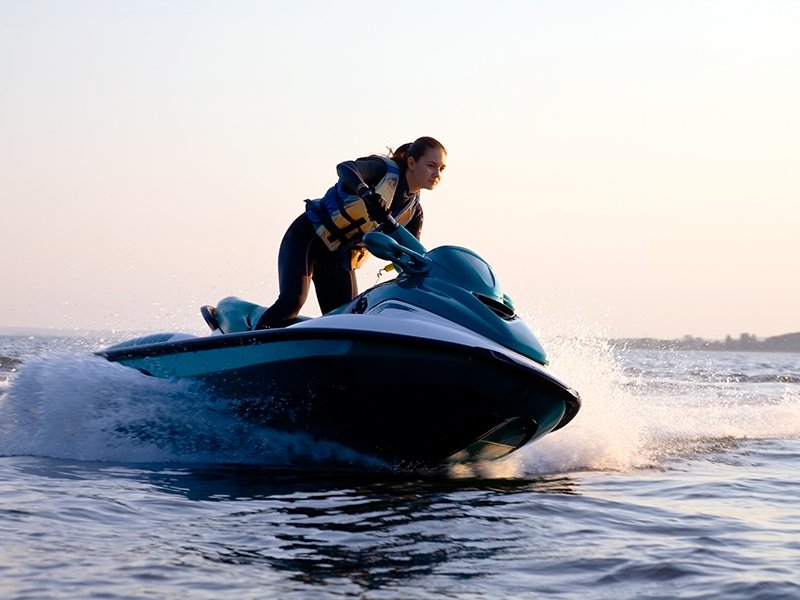
If it can carry people or goods on the water, it is a vessel under Rule 3(a), from a small boat to a supertanker. In the UK, MSN 1781 applies the Regulations to vessels as defined in the Merchant Shipping Act 1995, including powered watercraft such as jet skis.
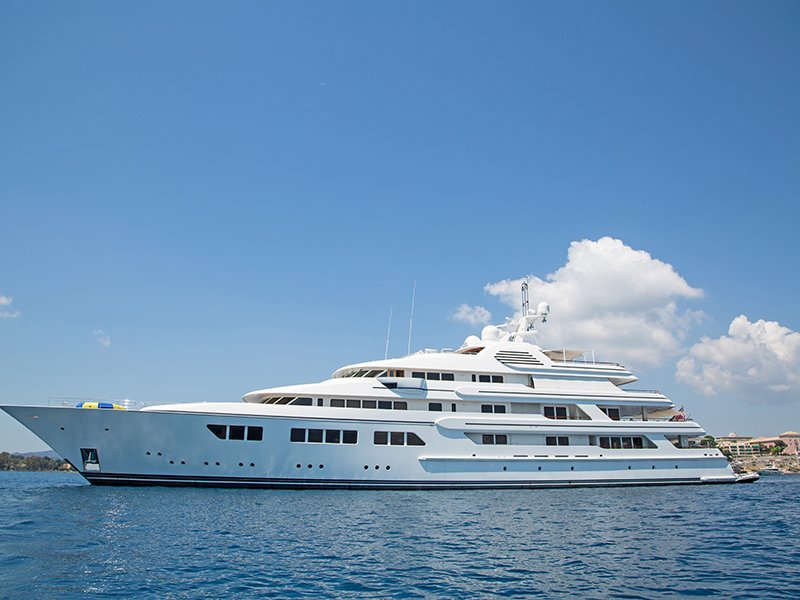
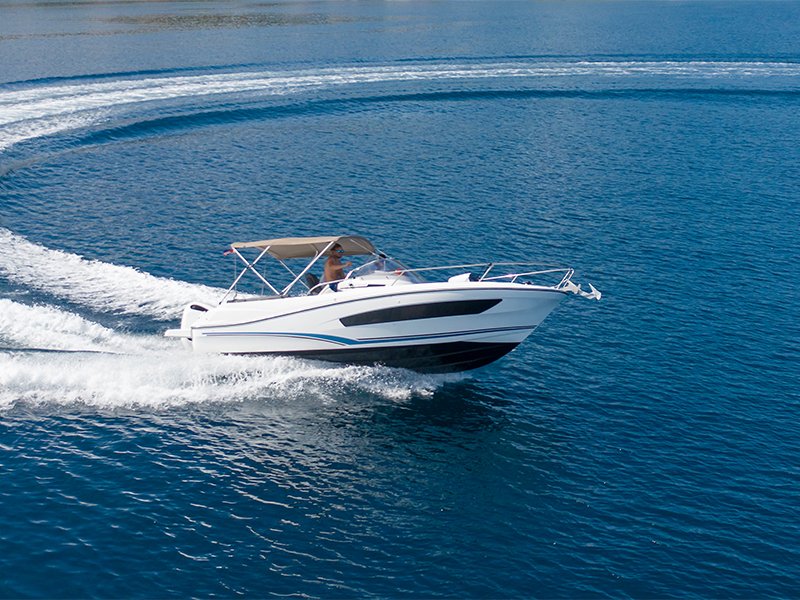
3(b) The term “power-driven vessel” means any vessel propelled by machinery.
- “means any vessel propelled by machinery”Any vessel driven by an engine or motor, whatever her size, including jet skis and dinghies with an outboard. A sailing yacht with her engine driving her is a power-driven vessel, even with her sails up.
Engine driving her means power-driven vessel. A motor-sailing yacht is a power-driven vessel under the Rules, and by day should show a cone, point down (Rule 25(e)).
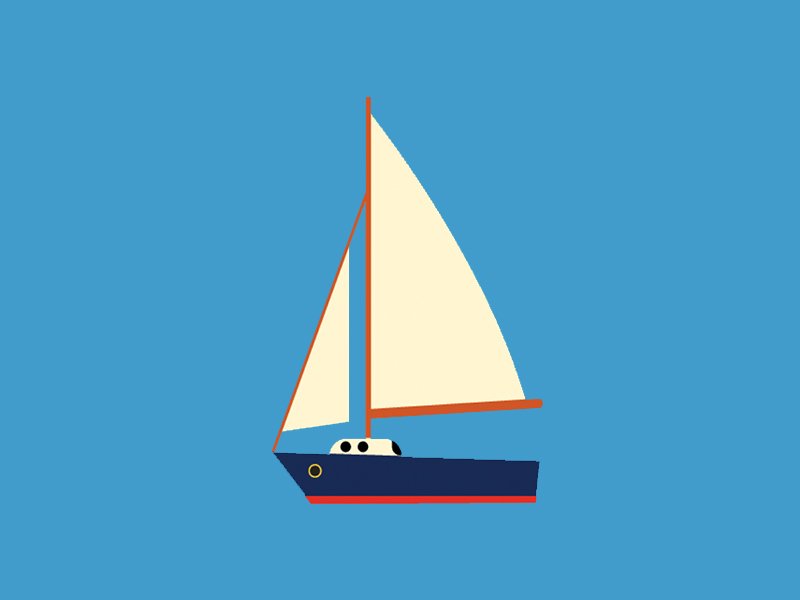
3(c) The term “sailing vessel” means any vessel under sail provided that propelling machinery, if fitted, is not being used.
- “means any vessel under sail”The vessel is being driven by her sails.
- “provided that propelling machinery, if fitted, is not being used”As soon as her engine is driving her, she stops being a sailing vessel and becomes a power-driven vessel, even with sails set.
Sails only means sailing vessel; sails plus engine means power-driven vessel. This matters because a power-driven vessel must keep out of the way of a sailing vessel (Rule 18(a)).

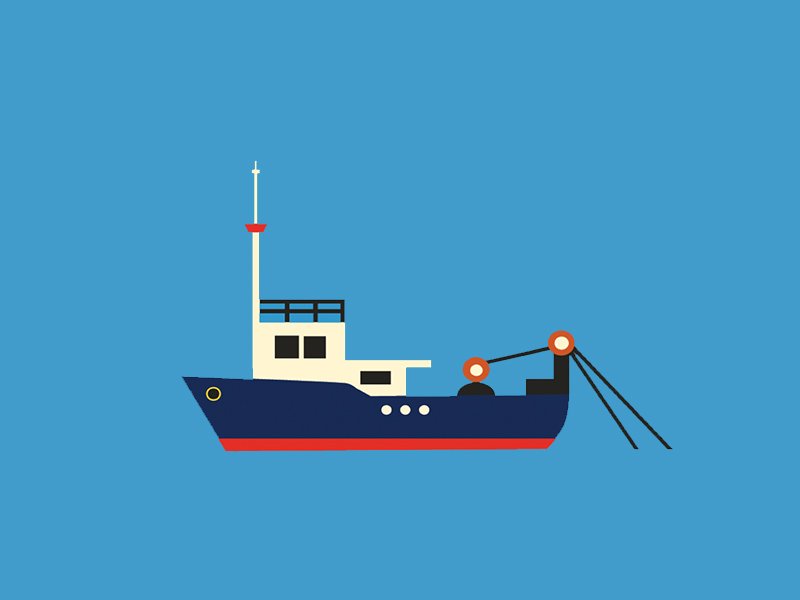
3(d) The term “vessel engaged in fishing” means any vessel fishing with nets, lines, trawls or other fishing apparatus which restrict manoeuvrability, but does not include a vessel fishing with trolling lines or other fishing apparatus which do not restrict manoeuvrability.
- “means any vessel fishing with nets, lines, trawls or other fishing apparatus which restrict manoeuvrability”A vessel counts as engaged in fishing only while her gear restricts how she can manoeuvre, for example when trawling, or fishing with nets or longlines.
- “but does not include a vessel fishing with trolling lines or other fishing apparatus which do not restrict manoeuvrability”A boat trolling a line astern can still manoeuvre freely, so she is not a vessel engaged in fishing.
It’s what she is doing that counts, not what kind of boat she is. A trawler heading home with her gear aboard is just a power-driven vessel. Only a vessel whose gear restricts her gets the protection of Rule 18.

3(e) The word “seaplane” includes any aircraft designed to manoeuvre on the water.
- “includes any aircraft designed to manoeuvre on the water”Any aircraft built to take off from, land on and taxi across the water, such as floatplanes and flying boats.
On the water, a seaplane is a vessel (3(a)) and must follow the Rules. Under Rule 18(e), she should generally keep well clear of all vessels and avoid impeding their navigation.


3(f) The term “vessel not under command” means a vessel which through some exceptional circumstance is unable to manoeuvre as required by these Rules and is therefore unable to keep out of the way of another vessel.
- “a vessel which through some exceptional circumstance”Something unusual has gone wrong, such as engine failure, steering gear failure or a fouled propeller.
- “is unable to manoeuvre as required by these Rules and is therefore unable to keep out of the way of another vessel”She can’t take the action the Rules would normally require of her, so she can’t get out of anyone’s way.
Due to exceptional circumstances such as steering or propulsion failure, a vessel not under command is unable to manoeuvre as required by the COLREGs and cannot keep out of the way of another vessel.

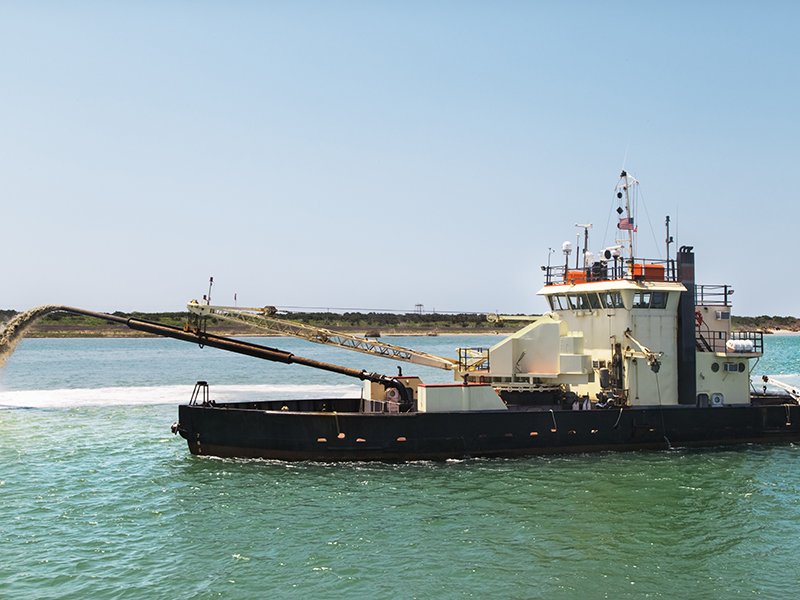
3(g) The term “vessel restricted in her ability to manoeuvre” means a vessel which from the nature of her work is restricted in her ability to manoeuvre as required by these Rules and is therefore unable to keep out of the way of another vessel. The term “vessels restricted in their ability to manoeuvre” shall include but not be limited to:
(i) A vessel engaged in laying, servicing or picking up a navigation mark, submarine cable or pipeline;
(ii) A vessel engaged in dredging, surveying or underwater operations;
(iii) A vessel engaged in replenishment or transferring persons, provisions or cargo while underway;
(iv) A vessel engaged in the launching or recovery of aircraft;
(v) A vessel engaged in mine clearance operations;
(vi) A vessel engaged in a towing operation such as severely restricts the towing vessel and her tow in their ability to deviate from their course.
- “a vessel which from the nature of her work is restricted in her ability to manoeuvre … unable to keep out of the way of another vessel”The job she is doing stops her manoeuvring freely. Nothing has gone wrong; the restriction comes from the work.
- “shall include but not be limited to”The list gives the main examples, but other similar work can also qualify.
- “(i) laying, servicing or picking up a navigation mark, submarine cable or pipeline”For example, a buoy tender or a cable-laying ship.
- “(ii) dredging, surveying or underwater operations”Dredgers, survey vessels and vessels supporting divers.
- “(iii) replenishment or transferring persons, provisions or cargo while underway”Vessels transferring fuel, stores or people to another vessel while moving, such as replenishment at sea.
- “(iv) the launching or recovery of aircraft”An aircraft carrier or other vessel launching or recovering aircraft, which usually needs to hold a steady course into the wind while she does so.
- “(v) mine clearance operations”Mine-clearance vessels, which show their own signals under Rule 27(f).
- “(vi) a towing operation such as severely restricts the towing vessel and her tow in their ability to deviate from their course”A tow so restrictive that neither the tug nor the tow can easily alter course (Rule 27(c)). An ordinary tow does not qualify.
RAM is about the work, not a fault. A RAM vessel shows red-white-red, or ball-diamond-ball by day (Rule 27(b)), and power-driven and sailing vessels must keep out of her way (Rule 18).


3(h) The term “vessel constrained by her draught” means a power-driven vessel which because of her draught in relation to the available depth and width of navigable water is severely restricted in her ability to deviate from the course she is following.
- “means a power-driven vessel”Only a power-driven vessel can be constrained by her draught.
- “which because of her draught in relation to the available depth and width of navigable water”Her draught is so deep compared with the depth and width of water around her that she can’t safely leave her track, for example a large tanker in a dredged channel.
- “is severely restricted in her ability to deviate from the course she is following”She can’t make a large alteration without risking grounding.
A CBD vessel may show three all-round red lights or a cylinder (Rule 28). Other vessels, except NUC and RAM vessels, should avoid impeding her safe passage (Rule 18(d)).
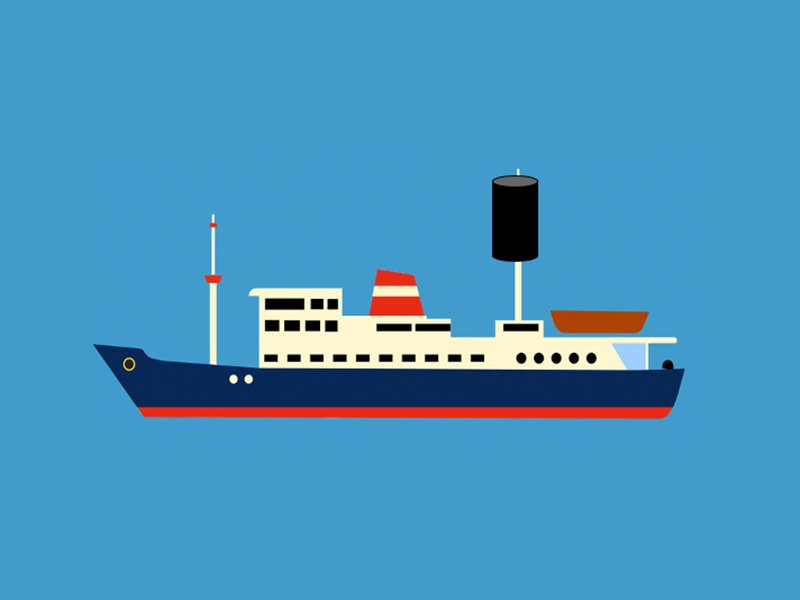
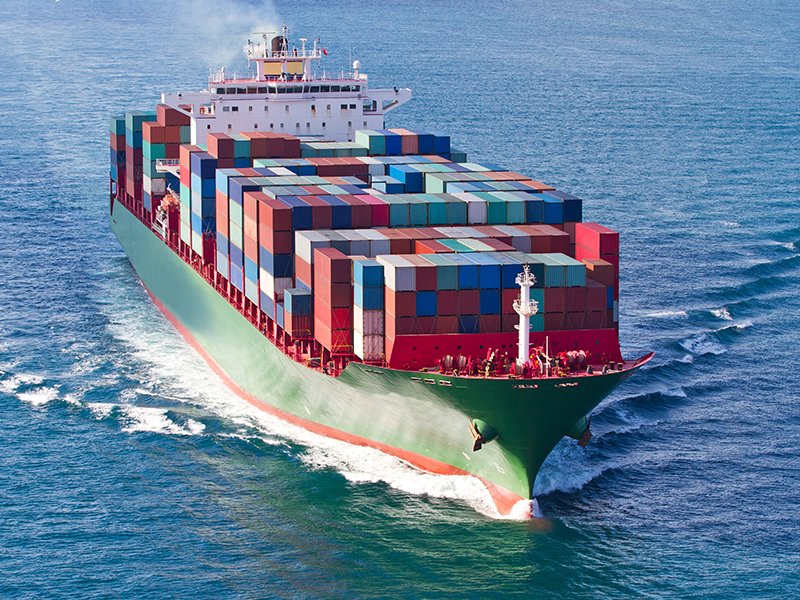
3(i) The word “underway” means that a vessel is not at anchor, or made fast to the shore, or aground.
- “means that a vessel is not at anchor, or made fast to the shore, or aground”A vessel is underway unless she is anchored, tied up to the shore, or aground. Stopped and drifting still counts as underway.
Underway is not the same as moving. A vessel stopped with her engines off is still underway; if she is not moving through the water, she is underway but not making way, and some Rules give her different lights for that.
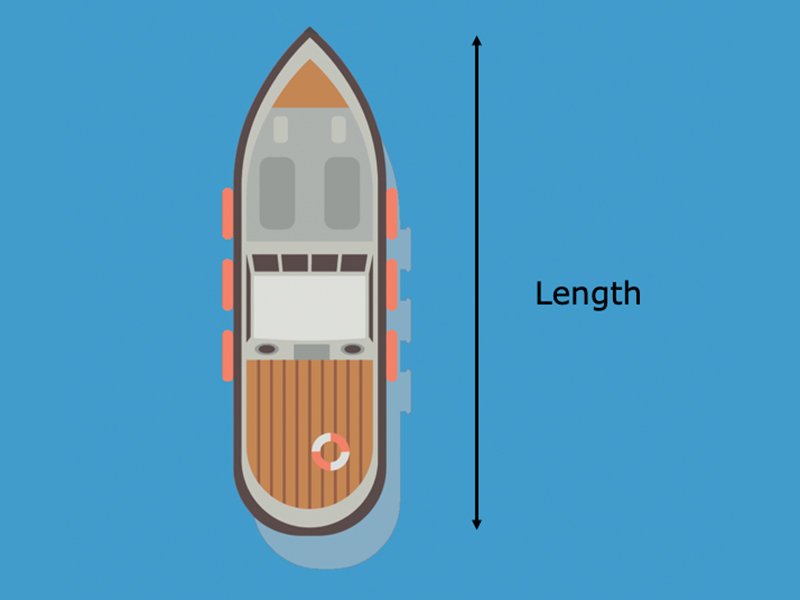
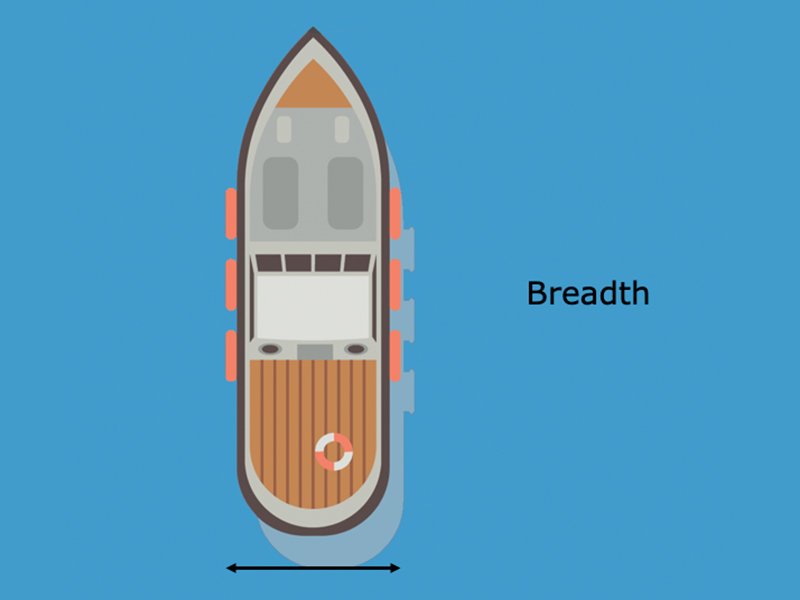
3(j) The words “length” and “breadth” of a vessel mean her length overall and greatest breadth.
- “mean her length overall”Her full length, from the foremost point of the bow to the aftermost point of the stern.
- “and greatest breadth”Her width at the widest point.
Many Rules depend on length, for example the 7, 12, 20 and 50 metre limits in the lights Rules (Rules 22 to 30) and the sound signal Rules (Rule 33). Always use length overall.
3(k) Vessels shall be deemed to be in sight of one another only when one can be observed visually from the other.
- “Vessels shall be deemed to be in sight of one another only when one can be observed visually from the other”They must be able to see each other by eye. Seeing a vessel only on radar or AIS does not count.
Whether vessels are in sight decides which Rules apply. In sight, Rules 11 to 18 apply, such as overtaking, head-on and crossing. Not in sight in restricted visibility, Rule 19 applies, and it has no stand-on vessel.


3(l) The term “restricted visibility” means any condition in which visibility is restricted by fog, mist, falling snow, heavy rainstorms, sandstorms or any other similar causes.
- “any condition in which visibility is restricted by fog, mist, falling snow, heavy rainstorms, sandstorms or any other similar causes”Visibility reduced by weather or a similar cause, such as smoke. Darkness alone is not restricted visibility.
In restricted visibility, proceed at a safe speed (Rule 6), sound fog signals (Rule 35), and follow Rule 19 for vessels not in sight. The Rules set no distance; judge it by the conditions and your vessel.


3(m) The term “Wing-In-Ground (WIG) craft” means a multimodal craft which, in its main operational mode, flies in close proximity to the surface by utilising surface-effect action.
- “means a multimodal craft”A craft that can operate in more than one mode: floating on the water, and flying just above it.
- “which, in its main operational mode, flies in close proximity to the surface by utilising surface-effect action”Most of the time she flies just above the surface, using the cushion of air trapped between her wings and the water to stay airborne.
A WIG craft taking off, landing or flying near the surface must keep well clear of all other vessels. On the water she follows the Rules as a power-driven vessel (Rule 18(f)).
